Prednisone is a systemic corticosteroid widely used in dermatology to rapidly control severe inflammatory and immune-mediated skin conditions.
| Product Name | Dosage | Price | Where To Buy |
|---|---|---|---|
| Prednisone (Deltasone) | 5 mg, 10 mg, 20 mg, 40 mg | From $35.00 | OnlinePharmacy |
Content:
- Prednisone - a powerful systemic corticosteroid for controlling severe inflammatory conditions
- How prednisone works to reduce inflammation in the body
- Where to buy prednisone safely and affordably
- When dermatologists prescribe prednisone
- Prednisone for severe allergic contact dermatitis
- Prednisone for severe eczema and atopic dermatitis flares
- Prednisone in autoimmune skin diseases
- Prednisone for severe drug-related skin reactions
- Typical prednisone dosage used in dermatology
- Short-term prednisone treatment for acute skin inflammation
- Possible side effects of prednisone
- Risks associated with long-term corticosteroid use
- Clinical monitoring during prednisone therapy
Prednisone - a powerful systemic corticosteroid for controlling severe inflammatory conditions
Prednisone occupies a central position among systemic corticosteroids due to its remarkable ability to modulate excessive inflammatory and immune responses across multiple organ systems, including the skin. As a synthetic glucocorticoid, it offers a predictable profile of absorption, metabolism, and clinical effect, which allows tailored regimens for acute and chronic inflammatory disorders. Its versatility ranges from short, high-intensity courses for dramatic flares to carefully tapered schedules in complex autoimmune diseases, giving this molecule a reputation as a highly dependable therapeutic backbone in modern pharmacology.
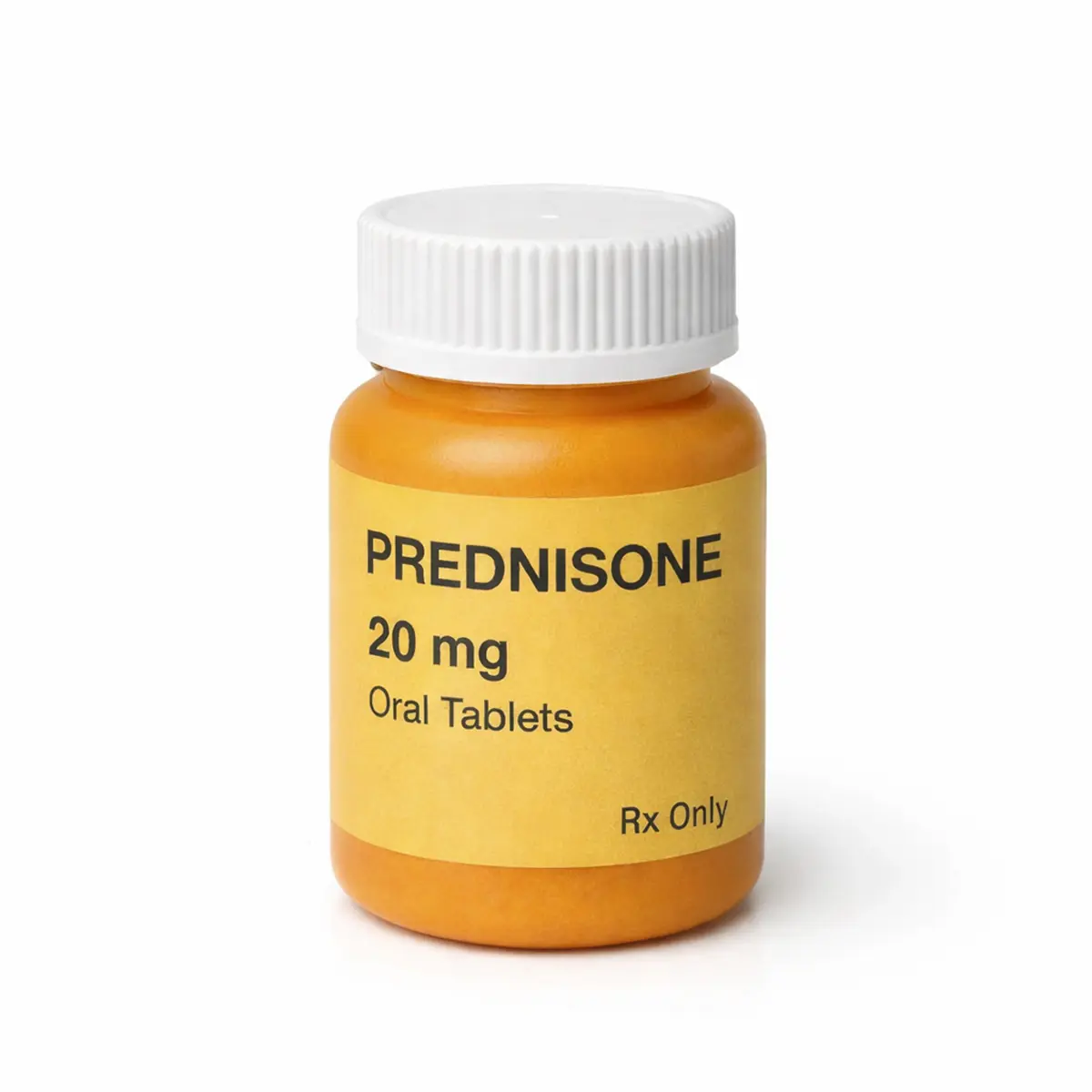
The pharmacological strength of prednisone lies in its capacity to rapidly suppress inflammatory cascades that would otherwise cause tissue damage, pain, and functional impairment. By influencing gene transcription in immune and structural cells, prednisone decreases the production of pro-inflammatory cytokines, chemokines, and adhesion molecules, thereby reducing leukocyte recruitment and vascular permeability. This translates clinically into less erythema, swelling, warmth, and pruritus, which is especially valuable in dermatology where visible inflammation significantly affects quality of life and psychosocial well-being.
Another remarkable advantage of prednisone is the flexibility of its available formulations and dosing schedules. Oral tablets, oral solutions, and occasionally parenteral bridging options allow smooth adaptation to different clinical scenarios, swallowing abilities, and severity levels. Dose intensity can be escalated swiftly to match fulminant disease, then tapered in a structured fashion to minimize withdrawal phenomena and hypothalamic-pituitary-adrenal (HPA) axis suppression. This adaptability explains why prednisone is frequently chosen when a fast, global anti-inflammatory effect is required.
Prednisone’s impact extends beyond simple symptom relief, as it often prevents irreversible structural damage in organs targeted by uncontrolled inflammation. In dermatology, this translates into protection against scarring, pigmentary alterations, and chronic lichenification that might otherwise persist long after an acute episode resolves. When used thoughtfully, prednisone can interrupt vicious inflammatory cycles, allowing concurrent use of topical agents, emollients, or steroid-sparing systemic drugs to consolidate remission and maintain skin integrity over the long term.
The pharmacokinetic profile of prednisone also contributes to its clinical appeal. After oral administration, prednisone is efficiently converted in the liver to its active metabolite prednisolone, which exerts potent glucocorticoid effects. The relatively intermediate half-life supports once-daily or split dosing, balancing convenience with stable anti-inflammatory coverage throughout the day. This profile helps smooth circadian variations in endogenous cortisol and inflammatory activity, especially when dosing is aligned with morning hours to mimic physiological rhythms.
Another noteworthy aspect is the extensive evidence base accumulated over decades of clinical use. Prednisone has been studied in a wide spectrum of inflammatory and autoimmune conditions, generating robust data on efficacy, safety signals, tapering strategies, and interactions with other therapies. This wealth of information enables more accurate risk-benefit evaluations, nuanced dosing decisions, and refined strategies for reducing long-term exposure through combination regimens and timely de-escalation once disease control is achieved.
From a patient-experience perspective, prednisone often delivers rapid, tangible improvement, sometimes within hours to a few days, especially in severe cutaneous eruptions, angioedema, or acute eczematous flares. The quick relief of burning, itching, and swelling can restore sleep, mobility, and social functioning, which are frequently disrupted during intense inflammatory episodes. This swift onset of action has made prednisone a trusted agent for crisis management where waiting for slower-acting therapies would be unacceptable.
At the same time, prednisone demands thoughtful use due to its broad systemic impact. The same mechanisms that make it powerful against inflammation also influence metabolism, bone turnover, mood, and immune surveillance. Responsible regimens therefore emphasize the shortest effective duration at the lowest effective dose, combined with vigilant observation for metabolic, cardiovascular, ophthalmologic, and skeletal effects. When integrated into a comprehensive, individualized therapeutic plan, prednisone continues to shine as a potent, reliable tool for controlling severe inflammatory conditions while preserving long-term health.
How prednisone works to reduce inflammation in the body
Prednisone exerts its anti-inflammatory action primarily through genomic effects mediated by intracellular glucocorticoid receptors. After oral intake and hepatic conversion to prednisolone, the active metabolite diffuses across cell membranes and binds cytoplasmic glucocorticoid receptors. This complex then translocates into the nucleus, where it interacts with specific DNA sequences termed glucocorticoid response elements. The result is a profound reshaping of gene transcription, with upregulation of anti-inflammatory genes and suppression of multiple pro-inflammatory pathways.
One of the key mechanisms involves transrepression of transcription factors such as NF-κB and AP-1, which normally drive expression of numerous inflammatory mediators. By inhibiting these transcription factors, prednisone reduces synthesis of cytokines like TNF-α, IL-1, IL-2, IL-6, and interferon-γ, as well as chemokines that recruit immune cells to sites of inflammation. This broad suppression dampens the amplification loops that sustain chronic inflammation, producing a coordinated decrease in cellular activation, tissue infiltration, and local tissue damage.
Prednisone also influences the behavior and survival of various immune cell subsets. It promotes apoptosis of activated T lymphocytes and eosinophils, decreases proliferation of B cells, and reduces antigen presentation by dendritic cells. Neutrophil counts in circulation may appear elevated, but functional migration into tissues is impaired due to altered expression of adhesion molecules and chemotactic receptors. This redistribution and functional modulation of leukocytes significantly lowers the intensity of inflammatory infiltrates within affected tissues, including the skin, joints, and internal organs.
- Suppression of pro-inflammatory cytokine production at the transcriptional level
- Reduction of vascular permeability and exudation through stabilization of endothelial barriers
- Inhibition of leukocyte adhesion, migration, and activation in inflamed tissues
- Promotion of anti-inflammatory mediators such as lipocortin-1, which inhibits phospholipase A2
Another central component of prednisone’s action is its effect on eicosanoid synthesis. By inducing lipocortin-1 (annexin A1), prednisone inhibits phospholipase A2, the enzyme responsible for releasing arachidonic acid from membrane phospholipids. This upstream blockade leads to reduced production of prostaglandins and leukotrienes, potent mediators of vasodilation, pain, bronchoconstriction, and leukocyte chemotaxis. Through this route, prednisone not only decreases redness and swelling but also attenuates pain and discomfort associated with inflammatory lesions.
Prednisone modulates the microenvironment of inflamed tissues in additional ways, including reduced expression of adhesion molecules such as ICAM-1 and VCAM-1 on endothelial cells. This change makes it more difficult for circulating immune cells to adhere to vessel walls and transmigrate into tissues. Furthermore, glucocorticoids decrease the synthesis of matrix metalloproteinases that degrade extracellular matrix components, thereby limiting structural tissue damage and scarring during prolonged inflammatory episodes.
Non-genomic effects also contribute to prednisone’s rapid clinical benefits, particularly at higher doses. These mechanisms may involve direct interactions with cellular membranes, modulation of ion channels, and interference with second messenger systems. Such non-genomic actions can occur within minutes, explaining why some individuals experience swift relief from symptoms like bronchospasm or intense pruritus soon after dosing, even before full genomic modulation has taken effect.
Beyond direct anti-inflammatory activity, prednisone influences immune tolerance and autoimmunity. By diminishing antigen presentation, co-stimulatory signaling, and T-helper cell differentiation, it can disrupt the autoreactive circuits that drive autoimmune skin diseases and systemic connective tissue disorders. This immunomodulatory capacity underpins its use in conditions such as pemphigus, bullous pemphigoid, and vasculitic dermatoses, where unchecked autoantibody activity would otherwise lead to progressive tissue destruction.
The combined genomic and non-genomic actions of prednisone create a powerful multi-level brake on inflammation, extending from molecular signaling pathways to whole-organism immune responses. This layered modulation explains why prednisone can control a wide variety of inflammatory phenotypes with a single active molecule, from eczematous eruptions and urticarial reactions to complex autoimmune blistering diseases, while still allowing fine-tuning of dose and duration to match individual needs.
Where to buy prednisone safely and affordably
Access to prednisone through reliable and regulated channels plays a decisive role in treatment success and safety. Because prednisone is a potent systemic corticosteroid with significant potential for adverse effects and interactions, responsible sourcing protects against issues such as substandard formulations, incorrect dosages, and counterfeit products. Pharmacies that operate under strict regulatory oversight, use verified supply chains, and adhere to quality control standards provide consistent potency and purity, which are vital for predictable clinical outcomes.
In many regions, prednisone is available through community pharmacies, hospital-based dispensaries, and licensed online pharmacies that require valid prescriptions. These outlets typically obtain prednisone from reputable manufacturers whose production facilities meet Good Manufacturing Practice (GMP) standards. Such compliance ensures that each batch of tablets or oral solution contains the labeled amount of active ingredient, dissolves appropriately, and remains stable throughout its shelf life. Reliable sourcing significantly reduces the risk of underdosing, overdosing, or exposure to contaminants.
Cost considerations frequently influence adherence to corticosteroid regimens, especially when repeated courses or prolonged tapers are needed. Generic prednisone products, produced by multiple manufacturers, have made this medication widely affordable while maintaining rigorous bioequivalence criteria. When generics are sourced from regulated markets, they demonstrate comparable pharmacokinetics and clinical effectiveness to brand-name counterparts, providing a cost-effective pathway to sustained access without sacrificing therapeutic reliability.
Online purchasing has expanded options for obtaining prednisone, yet it introduces variability in quality and regulatory oversight. Licensed internet pharmacies that display verifiable accreditation, require valid prescriptions, and maintain transparent contact information offer a safer framework than unregulated websites selling corticosteroids without proper documentation. Verification services and national registries of approved online pharmacies help differentiate legitimate vendors from rogue operators that may distribute falsified or improperly stored products.
| Source type | Regulation level | Prescription requirement | Typical price range (relative) | Quality reliability |
|---|---|---|---|---|
| Local community pharmacy | High (national regulatory authority) | Yes | Medium | Very high |
| Hospital pharmacy | Very high (institutional + national) | Yes | Medium | Very high |
| Accredited online pharmacy | High (verified accreditation) | Yes | Low–medium | High |
| Unregulated online seller | Low or none | Often no | Variable | Unpredictable |
Insurance coverage and national reimbursement schemes further shape the affordability of prednisone. In many healthcare systems, generic prednisone is included in essential medicines lists and covered at favorable co-payment levels due to its critical role in managing severe inflammatory diseases. Bulk purchasing by public or private insurers often reduces wholesale costs, allowing pharmacies to dispense the drug at lower retail prices. Transparent pricing policies and clear communication about generic options can significantly ease the economic burden on individuals requiring repeated courses.
Storage and handling conditions during distribution are another aspect of safe access. Prednisone tablets and solutions should be transported and stored within specified temperature and humidity ranges to preserve stability. Reputable distributors monitor these parameters and follow track-and-trace systems that document the journey of each batch from manufacturer to dispensing point. This chain-of-custody approach helps prevent diversion, tampering, and exposure to extreme environmental conditions that could degrade the active ingredient.
Language-appropriate labeling and high-quality patient information leaflets contribute to safe use once prednisone has been obtained. Clear instructions about strength, dosing schedule, duration, and potential interactions enhance adherence and reduce errors such as double dosing or premature discontinuation. Pharmacies that provide standardized, comprehensible documentation, including information on storage and expiry dates, support consistent and confident use of prednisone throughout the prescribed course.
When prednisone is sourced from well-regulated, transparent, and affordable channels, individuals benefit from predictable efficacy, reduced risk of harmful counterfeit products, and improved capacity to maintain recommended regimens over time.
When dermatologists prescribe prednisone
Prednisone is frequently selected in dermatology when rapid, systemic control of inflammation is required and topical therapies alone are insufficient. Conditions characterized by widespread erythema, intense pruritus, blistering, or significant edema often respond dramatically to systemic corticosteroids, making prednisone a valuable option for short-term stabilization. Dermatological practice prioritizes situations where uncontrolled skin inflammation risks scarring, functional impairment, or systemic complications, and in such contexts prednisone can deliver decisive relief.
Severe eczematous eruptions, including acute flares of atopic dermatitis or allergic contact dermatitis, represent classic indications for short courses of systemic prednisone. When lesions involve large body surface areas, interfere with sleep and daily activities, or fail to respond to potent topical corticosteroids and emollients, systemic therapy offers a way to break the inflammatory cycle. Prednisone can rapidly decrease oozing, crusting, and lichenification, creating a window during which optimized topical regimens and trigger avoidance can be reinforced.
Autoimmune blistering diseases form another major group of dermatologic conditions where prednisone plays a central role. Disorders such as pemphigus vulgaris, bullous pemphigoid, and mucous membrane pemphigoid involve pathogenic autoantibodies directed against structural proteins in the skin and mucosa. Without systemic immunosuppression, these diseases can progress relentlessly, causing painful erosions, infection risk, and significant morbidity. Prednisone often serves as the initial systemic agent to gain rapid disease control, frequently combined with steroid-sparing immunomodulators for long-term management.
- Extensive or rapidly progressive skin involvement threatening barrier function
- Severe pruritus or pain unresponsive to topical and non-steroidal systemic therapies
- Autoimmune blistering diseases with active erosions and mucosal lesions
- Drug-induced eruptions with systemic symptoms requiring swift suppression
Prednisone is also considered in certain vasculitic and connective tissue diseases with cutaneous manifestations. Conditions such as cutaneous small-vessel vasculitis, lupus erythematosus with severe skin involvement, or dermatomyositis with ulcerating lesions may require systemic corticosteroids to prevent deep tissue damage and systemic spread. In these scenarios, prednisone not only improves visible skin lesions but may also mitigate associated systemic risks, such as renal involvement or muscular weakness, when used as part of a comprehensive regimen.
Another setting where prednisone becomes relevant is in severe hypersensitivity reactions affecting the skin, such as extensive urticaria with angioedema or certain drug eruptions. When airway compromise, hemodynamic instability, or widespread blistering is a concern, systemic corticosteroids can contribute to stabilizing the inflammatory response. While supportive care, withdrawal of the offending agent, and other pharmacologic measures remain essential, prednisone frequently provides an additional layer of control over the exaggerated immune response.
Short, carefully tapered prednisone courses are sometimes utilized as a "rescue" strategy for individuals with chronic inflammatory dermatoses who experience acute, debilitating flares despite optimized maintenance treatment. Examples include psoriasis with erythrodermic transformation, severe hand eczema in occupational settings, or lichen planus with intense mucocutaneous involvement. In these cases, the goal is not long-term corticosteroid dependence but rather swift symptom control that allows re-establishment or escalation of non-steroidal maintenance therapies.
Decisions to prescribe prednisone in dermatology balance the urgency of controlling inflammation against the potential for adverse effects, especially with repeated or prolonged courses. Factors such as age, comorbidities, concurrent medications, and previous corticosteroid exposure influence dosing strategies and duration. When prednisone is selected thoughtfully, with clear therapeutic goals and close follow-up, it can transform the trajectory of severe skin disease episodes and preserve both cutaneous health and overall well-being.
Prednisone for severe allergic contact dermatitis
Severe allergic contact dermatitis represents a scenario in which prednisone can provide profound, rapid relief when topical therapy proves insufficient. This condition arises from a delayed-type hypersensitivity reaction to allergens such as nickel, fragrances, preservatives, rubber accelerators, or certain topical medications. Once sensitization has occurred, re-exposure triggers a robust T-cell–mediated response, leading to erythema, edema, vesiculation, and intense pruritus. When large body areas are involved or facial and genital regions are affected, the resulting discomfort and functional impairment can be striking.
In extensive allergic contact dermatitis, the inflammatory process extends beyond the reach of localized topical corticosteroids, and systemic symptoms such as malaise or low-grade fever may appear. Prednisone, through its potent suppression of T-cell activation and cytokine release, can rapidly dampen this exaggerated immune response. The reduction in erythema, swelling, and vesiculation not only improves comfort but also decreases the risk of secondary bacterial infection that may arise from excoriations and barrier disruption.
Prednisone is particularly valuable when allergen exposure cannot be immediately or completely avoided, such as occupational contact with essential materials or when the allergen source is initially unclear. While allergen identification and elimination remain the foundation of long-term control, systemic corticosteroids serve as a powerful bridging measure. A well-structured prednisone taper can bring the acute episode under control, allowing time for patch testing, workplace assessments, or environmental modifications that address the underlying trigger.
- Extensive body surface involvement with intense erythema and edema
- Severe facial, eyelid, or genital dermatitis with functional interference
- Failure of high-potency topical corticosteroids and emollients to control symptoms
- Recurrent flares linked to unavoidable or unidentified allergen exposure
The dosing strategy for severe allergic contact dermatitis often begins with a moderate to high oral prednisone dose, followed by a gradual taper over one to two weeks, tailored to clinical response. Abrupt cessation after short but intense courses may risk rebound inflammation, so structured dose reduction supports a smooth transition back to baseline. During this period, concurrent use of topical corticosteroids, calcineurin inhibitors, and barrier-repair measures can consolidate the gains achieved by systemic therapy and reduce the total systemic dose required.
Prednisone’s effect on the itch-scratch cycle is another crucial advantage in allergic contact dermatitis. By rapidly decreasing inflammatory mediators that drive pruritus, systemic corticosteroids reduce the urge to scratch, which in turn limits excoriations, lichenification, and post-inflammatory hyperpigmentation. Restored sleep and reduced daytime distraction from itching often translate into better work performance, social engagement, and psychological well-being during recovery from a severe flare.
Despite its benefits, prednisone use in allergic contact dermatitis must be carefully timed and dosed to avoid overreliance on systemic steroids for a problem fundamentally driven by allergen exposure. Repeated, unsupervised bursts of prednisone without allergen identification may mask symptoms temporarily while sensitization persists or even intensifies. Combining a decisive, well-planned prednisone course with systematic allergen evaluation, patch testing, and environmental adjustments creates a more sustainable strategy for long-term control of contact dermatitis.
When integrated thoughtfully into comprehensive management that includes allergen avoidance, optimized topical care, and education about early signs of relapse, prednisone can transform severe allergic contact dermatitis from a disabling, recurrent crisis into a more manageable, episodic condition.
Prednisone for severe eczema and atopic dermatitis flares
Severe flares of eczema and atopic dermatitis can overwhelm topical regimens, leading to widespread erythema, oozing, crusting, and relentless pruritus that disrupts sleep, work, and social life. In these high-intensity episodes, systemic prednisone can act as a powerful short-term "reset," rapidly suppressing the exaggerated Th2-driven immune response that fuels the flare. The resulting decrease in cytokines such as IL-4, IL-13, and IL-31 translates into visible improvement of skin lesions and a dramatic reduction in itch intensity.
Prednisone is generally reserved for situations where other strategies, including optimized topical corticosteroids, calcineurin inhibitors, phototherapy, and non-steroidal systemic agents, have failed to control an acute exacerbation. When the skin barrier is severely compromised and secondary infection risk is high, systemic corticosteroids can quickly reduce inflammation and exudation, facilitating the action of topical antimicrobials or systemic antibiotics when indicated. This synergy between systemic and topical therapies often accelerates healing and shortens the duration of the acute crisis.
One of the most appreciated benefits of prednisone during severe eczema flares is the rapid improvement in sleep quality. Night-time itching and burning commonly lead to repeated awakenings, daytime fatigue, and cognitive difficulties. By decreasing inflammatory mediators that drive nocturnal pruritus, prednisone helps restore consolidated sleep, which in turn supports immune regulation, mood stability, and adherence to comprehensive skin care routines. Families caring for children with severe atopic dermatitis often report a marked difference in household functioning during effective systemic treatment.
- Widespread eczema with intense pruritus unresponsive to potent topical therapy
- Acute erythrodermic transformation with systemic symptoms such as chills or malaise
- Repeated skin infections related to severe barrier disruption and scratching
- Short-term bridging while initiating slower-acting systemic or biologic treatments
Prednisone regimens for atopic dermatitis flares typically involve short, time-limited courses with careful tapering to minimize rebound. The initial dose is chosen according to body weight, severity, and comorbidities, followed by gradual reduction over one to three weeks. During this window, emphasis is placed on intensive moisturization, trigger management, and introduction or optimization of steroid-sparing therapies so that reliance on systemic corticosteroids remains strictly episodic rather than chronic.
The psychological impact of rapid skin improvement during prednisone treatment should not be underestimated. Visible eczema lesions often carry a heavy emotional burden, including embarrassment, social withdrawal, and anxiety about appearance. Swift reduction in redness, scaling, and excoriations can restore confidence and encourage active participation in daily activities. This psychosocial boost may enhance adherence to long-term maintenance strategies, such as regular emollient use and trigger avoidance, which are essential for sustained control.
At the same time, repeated or prolonged prednisone courses in atopic dermatitis raise concerns about systemic side effects, including weight gain, mood changes, hypertension, and growth suppression in children. For this reason, systemic corticosteroids are typically framed as emergency or rescue tools rather than routine maintenance. The emergence of targeted biologic therapies and small molecules for atopic dermatitis has expanded options for long-term control, allowing prednisone to be reserved for carefully selected, severe flares where rapid anti-inflammatory power is indispensable.
When used judiciously as part of a broader, individualized strategy that prioritizes skin barrier repair, trigger control, and steroid-sparing systemic options, prednisone can convert a debilitating atopic dermatitis flare into a manageable, transient episode while protecting long-term health and quality of life.
Prednisone in autoimmune skin diseases
Autoimmune skin diseases often involve complex immune dysregulation in which autoantibodies or autoreactive T cells target structural components of the skin, leading to blistering, erosions, or chronic inflammatory plaques. Prednisone occupies a pivotal role in controlling these conditions because of its broad immunosuppressive capacity, rapid onset of action, and flexible dosing. By dampening both cellular and humoral immune responses, prednisone can halt tissue destruction, relieve pain, and prevent life-threatening complications associated with widespread skin barrier failure.
In pemphigus vulgaris, a prototypical autoimmune blistering disease, autoantibodies against desmogleins disrupt keratinocyte adhesion, resulting in fragile blisters and painful erosions affecting skin and mucous membranes. Untreated disease can lead to severe fluid loss, infection, and metabolic disturbances. Prednisone, often initiated at relatively high doses, rapidly decreases autoantibody-mediated inflammation and blister formation. Once disease control is achieved, doses are gradually tapered while introducing steroid-sparing agents such as azathioprine, mycophenolate mofetil, or rituximab to maintain remission with lower cumulative corticosteroid exposure.
Bullous pemphigoid, more common in older adults, involves autoantibodies targeting hemidesmosomal proteins at the dermal-epidermal junction. Clinically, it presents with tense blisters, urticarial plaques, and intense pruritus. Prednisone can dramatically reduce new blister formation and alleviate itching, improving mobility and sleep in affected individuals. Dosing strategies vary with disease severity and patient frailty, with some regimens combining lower systemic doses with potent topical corticosteroids to achieve effective control while minimizing systemic side effects.
- Pemphigus vulgaris and foliaceus with widespread erosions and mucosal involvement
- Bullous pemphigoid with extensive blistering and debilitating pruritus
- Autoimmune connective tissue diseases such as cutaneous lupus or dermatomyositis
- Vasculitic dermatoses with ulceration or systemic involvement
Cutaneous manifestations of systemic autoimmune diseases, such as lupus erythematosus and dermatomyositis, also frequently respond to prednisone. In lupus, systemic corticosteroids can calm inflammatory rashes, vasculitic lesions, and photosensitive eruptions, while concurrently addressing systemic features such as arthritis or nephritis when present. In dermatomyositis, prednisone helps control characteristic heliotrope rash and Gottron papules, and more importantly, reduces muscle inflammation and weakness, preventing long-term disability when initiated promptly and combined with appropriate adjunctive therapies.
Vasculitic dermatoses, which involve inflammation and destruction of blood vessel walls in the skin, can manifest as palpable purpura, ulcers, and necrotic lesions. Prednisone plays a central role in halting ongoing vascular damage and promoting healing, especially when systemic symptoms such as fever, arthralgia, or internal organ involvement are present. Early, adequate dosing can prevent progression to deeper tissue necrosis and scarring, preserving both function and appearance in affected areas.
Because autoimmune skin diseases often require prolonged immunosuppression, prednisone is frequently used as an induction agent rather than a sole long-term solution. Once disease activity is controlled, maintenance regimens typically shift toward steroid-sparing agents, biologics, or targeted small molecules to reduce the cumulative corticosteroid burden. This stepwise approach allows individuals to benefit from prednisone’s rapid efficacy while mitigating long-term risks such as osteoporosis, metabolic syndrome, and ocular complications.
Close coordination between systemic and topical strategies enhances outcomes in autoimmune dermatoses. While prednisone addresses systemic immune dysregulation, adjunctive topical corticosteroids, calcineurin inhibitors, and wound care optimize local control of lesions and support re-epithelialization. This multi-layered approach shortens healing time, reduces infection risk, and improves comfort, while allowing gradual reduction of systemic doses as the skin stabilizes.
When integrated into carefully planned, multi-drug regimens that prioritize early control, steroid-sparing transitions, and vigilant monitoring, prednisone remains a cornerstone therapy for autoimmune skin diseases, offering the possibility of durable remission and preserved skin integrity.
Prednisone for severe drug-related skin reactions
Drug-related skin reactions span a wide spectrum, from mild exanthematous eruptions to severe, life-threatening conditions such as Stevens-Johnson syndrome (SJS), toxic epidermal necrolysis (TEN), and drug reaction with eosinophilia and systemic symptoms (DRESS). In the more severe forms, systemic inflammation, extensive epidermal detachment, and multi-organ involvement can rapidly endanger life. Prednisone, by providing potent systemic immunosuppression, often becomes part of the therapeutic arsenal aimed at halting the progression of immune-mediated damage once the offending drug has been withdrawn.
In moderate to severe morbilliform drug eruptions with extensive erythema, pruritus, and discomfort, prednisone can accelerate symptom resolution and improve quality of life. The drug suppresses T-cell activation and cytokine release triggered by drug-specific immune responses, thereby reducing erythema, edema, and itch. Short courses with careful tapering are generally favored to avoid rebound while ensuring that the underlying immune reaction has sufficiently subsided after drug discontinuation.
DRESS represents a particularly complex drug reaction characterized by fever, facial edema, lymphadenopathy, eosinophilia, and involvement of organs such as liver, kidneys, or lungs. Skin manifestations often include widespread erythematous or purpuric eruptions. Prednisone plays a central role in many treatment protocols for DRESS because of its capacity to control both cutaneous and systemic inflammation. Early, adequately dosed systemic corticosteroids can limit organ damage, shorten the active phase of illness, and reduce the likelihood of prolonged, relapsing courses.
- Extensive morbilliform eruptions with severe pruritus after drug exposure
- DRESS with systemic involvement and laboratory evidence of organ inflammation
- Certain immune-mediated bullous drug eruptions requiring rapid control
- Carefully selected cases of severe erythema multiforme–like reactions
The role of systemic corticosteroids in SJS and TEN remains an area of ongoing debate, with practice patterns varying across institutions and regions. Some protocols incorporate high-dose corticosteroids early in the disease course in combination with other immunomodulatory agents, while others prioritize supportive care and alternative immunotherapies. Where prednisone or its intravenous equivalents are used, the goal is to interrupt the cytotoxic T-cell–mediated destruction of keratinocytes and reduce further epidermal detachment, always in conjunction with meticulous supportive care in specialized units.
Prednisone dosing in severe drug reactions must consider the timing of onset, rate of progression, extent of skin involvement, and degree of systemic organ dysfunction. Higher initial doses may be justified in rapidly evolving reactions with systemic compromise, followed by careful tapering over weeks as clinical and laboratory parameters improve. Premature withdrawal can trigger relapse, particularly in DRESS, where immune activation may persist long after the offending drug has been cleared.
Monitoring during prednisone therapy for drug reactions includes regular assessment of skin lesions, vital signs, and organ function tests such as liver enzymes, creatinine, and complete blood counts. This surveillance helps distinguish treatment response from complications such as infection or corticosteroid-induced metabolic disturbances. Because individuals with severe drug reactions are often hospitalized, multidisciplinary coordination enhances early detection and management of any emerging problems.
When thoughtfully combined with prompt identification and withdrawal of the culprit medication, supportive care, and, where appropriate, additional immunomodulatory therapies, prednisone can be a powerful ally in controlling severe drug-related skin reactions and protecting vital organs from sustained immune-mediated injury.
Typical prednisone dosage used in dermatology
Prednisone dosing in dermatology is highly individualized, reflecting the wide range of conditions treated, the severity of inflammation, and patient-specific factors such as age, comorbidities, and concomitant medications. Despite this variability, common dosing patterns have emerged that guide initial therapy and tapering strategies. For many acute inflammatory dermatoses, starting doses fall in the range of 0.5–1 mg/kg/day, with adjustments based on clinical response and tolerance. The objective is to use the lowest dose that achieves rapid, meaningful improvement while planning a structured taper to minimize cumulative exposure.
In severe allergic contact dermatitis or acute eczematous flares, short courses of prednisone often begin at fixed doses such as 30–60 mg daily in adults, followed by a taper over 7–14 days. This approach aims to extinguish the acute inflammatory episode without prolonging systemic corticosteroid use. For pediatric patients, weight-based dosing is more common, with careful attention to growth, behavior, and infection risk. The addition of potent topical corticosteroids and intensive emollient therapy allows systemic doses to be kept as low and short as feasible.
Autoimmune blistering diseases typically require higher and more prolonged prednisone exposure during the induction phase. In pemphigus vulgaris, for example, initial doses may range from 1–1.5 mg/kg/day, sometimes combined with adjuvant immunosuppressants from the outset. Once new blister formation has ceased and existing lesions begin to heal, gradual dose reductions are introduced, often by 5–10 mg decrements every one to two weeks, provided disease control is maintained. This stepwise tapering continues until a threshold is reached where further reduction risks relapse, at which point steroid-sparing agents increasingly carry the maintenance burden.
| Dermatologic condition | Typical initial prednisone dose | Course duration | Primary goal |
|---|---|---|---|
| Severe allergic contact dermatitis | 30–60 mg/day (adults) | 7–14 days with taper | Rapid control of acute flare |
| Acute atopic dermatitis flare | 0.5–1 mg/kg/day | 1–3 weeks with taper | Break itch–scratch cycle |
| Pemphigus vulgaris (induction) | 1–1.5 mg/kg/day | Several weeks, then taper | Stop new blister formation |
| Bullous pemphigoid | 0.5–1 mg/kg/day | Weeks to months, tapering | Control blistering and pruritus |
For vasculitic dermatoses and connective tissue diseases with significant skin involvement, prednisone dosing often parallels systemic disease activity. Moderate to high doses may be initiated when ulceration, necrosis, or systemic organ involvement is present, with subsequent tapering guided by both cutaneous and systemic markers of inflammation. Combination therapy with immunosuppressive agents such as methotrexate, azathioprine, or cyclophosphamide allows for more aggressive tapering of prednisone once stability is achieved.
Short "burst" regimens, sometimes used for acute urticaria or limited drug eruptions, typically involve higher doses for just a few days followed by a rapid taper or abrupt stop, depending on the condition and response. While such regimens can be highly effective in aborting acute episodes, repeated bursts over short intervals raise concerns about cumulative side effects, including mood changes, glucose intolerance, and blood pressure elevation. Therefore, clinicians often reassess underlying triggers and consider alternative long-term strategies when frequent bursts become necessary.
Tapering schedules are a critical component of prednisone use in dermatology, particularly after courses extending beyond two weeks. The adrenal glands reduce endogenous cortisol production during systemic corticosteroid therapy, and abrupt discontinuation after prolonged use can precipitate adrenal insufficiency or disease rebound. Gradual dose reductions allow the HPA axis to recover while providing an early warning system: the reappearance of symptoms at a certain dose signals the need for slower tapering or additional steroid-sparing support.
By tailoring initial doses, course length, and tapering speed to the specific dermatologic condition and individual characteristics, prednisone regimens can achieve robust control of skin disease while strategically limiting long-term systemic impact.
Short-term prednisone treatment for acute skin inflammation
Short-term prednisone treatment is a powerful strategy for managing acute skin inflammation that threatens comfort, function, or cosmetic integrity. In scenarios such as severe allergic contact dermatitis, acute atopic dermatitis flares, urticaria with angioedema, or certain drug eruptions, the inflammatory process can escalate quickly, overwhelming topical measures. Time-limited prednisone courses aim to extinguish this acute fire, providing rapid symptom relief while minimizing the risks associated with prolonged systemic corticosteroid exposure.
The hallmark of short-term prednisone therapy is a clearly defined start and end point, often spanning 5–21 days depending on the condition and severity. Initial doses are selected to achieve a decisive anti-inflammatory effect from the first day, rather than gradual escalation. Once a favorable response is evident—usually within a few days—tapering begins to avoid rebound and allow the adrenal axis to resume normal function. This focused approach contrasts with chronic, low-dose regimens, which carry a higher burden of long-term side effects without necessarily delivering superior control of episodic flares.
Acute eczematous eruptions provide a classic example of the benefits of short-term prednisone. During a flare, intense pruritus and widespread erythema often lead to sleep deprivation, impaired concentration, and emotional distress. A brief course of systemic corticosteroids can dramatically reduce itch and inflammation, restoring sleep and enabling individuals to resume daily activities. Concurrent optimization of topical therapy, moisturization, and trigger management during this window helps consolidate gains and reduces the likelihood of immediate recurrence once prednisone is discontinued.
- Rapid relief of severe pruritus and pain associated with acute dermatoses
- Short-lived suppression of intense inflammation while other therapies take effect
- Prevention of complications such as secondary infection and scarring
- Improved adherence to long-term maintenance strategies after crisis resolution
Short-term prednisone regimens are also valuable as bridging therapy when initiating slower-acting systemic agents or biologics. Many immunomodulatory drugs used in chronic dermatoses require weeks to months to reach full efficacy. During this latency period, individuals may continue to experience distressing symptoms or even disease progression. A limited prednisone course can maintain control and comfort until the new agent becomes effective, at which point corticosteroids can be tapered and discontinued.
Despite the relatively brief duration, short-term prednisone use still warrants attention to potential side effects, especially in individuals with diabetes, hypertension, mood disorders, or increased infection risk. Even a few days of therapy can transiently raise blood glucose, blood pressure, or cause sleep disturbances and mood changes. Awareness of these possibilities allows for anticipatory guidance, monitoring when appropriate, and dose adjustments that balance rapid anti-inflammatory benefits with short-term tolerability.
Rebound flares represent a key consideration when planning short-term courses. Stopping prednisone too abruptly, particularly after more than a week of therapy, may lead to a resurgence of inflammation that sometimes exceeds baseline severity. Structured tapers—such as decreasing the dose every few days—help mitigate this risk by allowing underlying disease activity to stabilize under the influence of optimized topical or non-steroidal systemic therapies. The rate of tapering is often tailored according to individual response and the chronicity of the underlying condition.
When short-term prednisone treatment is framed as one component of a broader, multi-modal strategy that prioritizes long-term disease control through non-steroidal approaches, it becomes a highly effective tool for transforming acute dermatologic crises into manageable, transient episodes with minimal lasting impact.
Possible side effects of prednisone
Prednisone’s potent systemic activity brings with it a broad spectrum of potential side effects, which vary with dose, duration, and individual susceptibility. Even short courses can produce noticeable changes, while prolonged or repeated use increases the likelihood of metabolic, musculoskeletal, ocular, and neuropsychiatric complications. Awareness of these possibilities allows for thoughtful risk-benefit assessment and proactive mitigation strategies that preserve the drug’s benefits while limiting harm.
Metabolic effects are among the most frequently encountered. Prednisone promotes gluconeogenesis, reduces peripheral glucose utilization, and antagonizes insulin action, leading to elevated blood glucose levels. In individuals with pre-existing diabetes or impaired glucose tolerance, this may necessitate temporary adjustments in antidiabetic regimens. Weight gain can occur through increased appetite, fluid retention, and altered fat distribution, with characteristic centripetal obesity, "moon face," and dorsocervical fat pads in those exposed to higher doses for extended periods.
Musculoskeletal side effects include decreased bone formation, increased bone resorption, and reduced calcium absorption, culminating in osteoporosis and increased fracture risk. Prolonged prednisone use, particularly at doses equivalent to 5 mg/day or more over several months, can contribute to vertebral compression fractures and avascular necrosis of the femoral head. Muscle weakness and atrophy, especially of proximal muscles, may develop with chronic exposure, limiting mobility and endurance in daily activities.
- Hyperglycemia and weight gain due to altered carbohydrate and fat metabolism
- Osteoporosis, fractures, and muscle weakness with prolonged use
- Mood changes, insomnia, and, in rare cases, steroid-induced psychosis
- Increased susceptibility to infections and delayed wound healing
Neuropsychiatric effects range from mild insomnia and nervousness to more pronounced mood swings, irritability, euphoria, or depressive symptoms. In rare cases, high-dose prednisone can precipitate steroid-induced psychosis, characterized by hallucinations, delusions, or severe agitation. These reactions are often dose-related and tend to resolve with dose reduction or discontinuation, but they can be distressing for individuals and families during active treatment.
Prednisone also influences the cardiovascular system and fluid balance. Sodium and water retention can lead to edema and exacerbate hypertension or heart failure in susceptible individuals. Changes in lipid profiles, including increased triglycerides and low-density lipoprotein cholesterol, may contribute to long-term cardiovascular risk when high doses are used chronically. Monitoring blood pressure, weight, and, when appropriate, lipid parameters becomes more relevant as treatment duration lengthens.
Ocular side effects associated with prolonged prednisone therapy include posterior subcapsular cataracts and increased intraocular pressure, which can lead to glaucoma. These complications tend to develop over months to years of continuous exposure rather than during brief courses, but they underscore the importance of limiting long-term doses and arranging periodic ophthalmologic evaluations for those requiring extended treatment. Early detection allows timely intervention to preserve visual function.
Immunosuppression from prednisone increases susceptibility to infections, particularly opportunistic pathogens in individuals receiving high doses or combination immunosuppressive regimens. Common infections may present atypically due to blunted inflammatory responses, delaying recognition. Reactivation of latent infections such as tuberculosis or herpes zoster also becomes more likely in the context of systemic corticosteroid use, especially when combined with other immunomodulatory agents.
By carefully weighing these potential side effects against the expected benefits in each clinical scenario, and by implementing targeted preventive measures such as bone protection, metabolic monitoring, and infection vigilance, prednisone therapy can be optimized to deliver strong anti-inflammatory effects with a manageable safety profile.
Risks associated with long-term corticosteroid use
Long-term use of systemic corticosteroids such as prednisone introduces a distinct risk profile that differs in magnitude and character from short-term courses. Chronic exposure, even at relatively low doses, can gradually reshape metabolism, bone structure, immune defenses, and endocrine function. These changes may remain silent for months before manifesting as clinically significant complications, which is why prolonged prednisone therapy warrants a strategic approach focused on risk minimization and early detection of adverse effects.
One of the most prominent long-term risks is glucocorticoid-induced osteoporosis. Prednisone reduces osteoblast activity, enhances osteoclast-mediated bone resorption, and interferes with calcium and vitamin D metabolism. Over time, bone mineral density declines, particularly in trabecular-rich regions such as the vertebrae and ribs. This process increases the likelihood of fragility fractures, which may occur with minimal trauma and can lead to chronic pain, spinal deformity, and reduced mobility. Preventive strategies often include adequate calcium and vitamin D intake, weight-bearing exercise, and, in higher-risk individuals, pharmacologic bone-protective agents.
Chronic prednisone exposure also promotes a constellation of metabolic disturbances reminiscent of Cushing syndrome. These include central obesity, insulin resistance, dyslipidemia, and hypertension, all of which contribute to heightened cardiovascular risk. Over years, this pattern may culminate in type 2 diabetes, atherosclerotic cardiovascular disease, and cerebrovascular events. Regular monitoring of blood pressure, fasting glucose or HbA1c, and lipid profiles becomes increasingly relevant as treatment duration extends, enabling timely lifestyle or pharmacologic interventions.
The hypothalamic-pituitary-adrenal axis is particularly vulnerable to suppression by long-term corticosteroid therapy. Exogenous prednisone reduces endogenous cortisol production through negative feedback mechanisms, and the adrenal glands may atrophy during sustained exposure. Abrupt discontinuation after months of therapy can therefore precipitate adrenal insufficiency, characterized by fatigue, hypotension, and, in severe cases, adrenal crisis. Gradual tapering schedules and, when indicated, assessment of adrenal function help ensure that endogenous cortisol production recovers safely.
- Progressive bone loss leading to osteopenia and osteoporosis
- Metabolic changes predisposing to diabetes and cardiovascular disease
- Adrenal suppression with risk of insufficiency on abrupt withdrawal
- Chronic immunosuppression increasing infection and malignancy risks
Long-term immunosuppression from prednisone not only increases susceptibility to common infections but may also alter the balance of immune surveillance against malignancy. While the absolute risk of cancer attributable solely to corticosteroids is difficult to quantify due to confounding factors, combination regimens with other immunosuppressants clearly elevate this concern. Vaccination strategies, infection prophylaxis in high-risk settings, and prompt evaluation of unusual symptoms contribute to safer long-term management.
Ocular and dermatologic changes accumulate over time with chronic prednisone use. Posterior subcapsular cataracts can impair visual acuity, while sustained elevation of intraocular pressure may lead to glaucomatous optic nerve damage. Skin may become thinner and more fragile, with easy bruising, striae, and delayed wound healing. These changes not only affect appearance but also increase the risk of traumatic injuries and complicate surgical recovery, particularly in older adults.
Neuropsychiatric effects may evolve from transient mood changes during short courses to more persistent alterations in affect, cognition, and sleep with long-term therapy. Some individuals experience chronic anxiety, depression, or cognitive slowing, which can significantly impact quality of life. Addressing these symptoms through supportive measures, dose adjustments, or collaboration with mental health professionals can mitigate their impact while broader treatment strategies are optimized.
Given these cumulative risks, long-term prednisone use is often reserved for situations where alternative therapies are unavailable, ineffective, or contraindicated. Even in such cases, strategies such as using the lowest effective dose, favoring alternate-day regimens when appropriate, and integrating steroid-sparing agents can substantially reduce the burden of chronic corticosteroid toxicity while maintaining adequate disease control.
Clinical monitoring during prednisone therapy
Clinical monitoring during prednisone therapy serves as a safeguard that maximizes therapeutic benefit while containing potential harm. Because prednisone affects multiple organ systems, structured follow-up allows emerging adverse effects to be identified early and managed proactively. Monitoring intensity and frequency are tailored to dose, duration, and individual risk factors, with more comprehensive surveillance for those receiving higher doses or prolonged courses.
Baseline assessment before initiating significant prednisone therapy typically includes evaluation of blood pressure, weight or body mass index, and metabolic parameters such as fasting glucose and lipid profile. These measurements create a reference point against which future changes can be compared. In individuals with pre-existing conditions like diabetes, hypertension, osteoporosis, or glaucoma, additional baseline investigations and specialist input may be warranted to optimize stability before corticosteroid exposure.
During treatment, regular clinical encounters focus on both disease activity and treatment-related effects. Improvement in skin lesions, pruritus, and systemic symptoms signals that prednisone is achieving its intended goals, while persistent or worsening manifestations may prompt dose adjustments or reconsideration of the therapeutic strategy. Simultaneously, monitoring for side effects such as weight gain, edema, mood changes, and sleep disturbances helps build a comprehensive picture of how the individual is tolerating therapy.
- Periodic checks of blood pressure, weight, and signs of fluid retention
- Laboratory monitoring of glucose, lipids, and, when indicated, liver and renal function
- Assessment for musculoskeletal symptoms suggestive of osteoporosis or myopathy
- Ophthalmologic evaluation during prolonged or high-dose therapy
Bone health monitoring becomes increasingly important as prednisone therapy extends beyond a few months or involves repeated high-dose courses. Dual-energy X-ray absorptiometry (DEXA) scans provide quantitative data on bone mineral density, guiding decisions about calcium and vitamin D supplementation and the initiation of anti-resorptive medications in high-risk individuals. Attention to back pain, height loss, or postural changes can also reveal vertebral fractures that may have occurred silently.
Infection surveillance is another critical component of monitoring. Because prednisone blunts inflammatory responses, infections may present atypically, with less prominent fever or localized signs. Regular review of symptoms such as cough, dyspnea, dysuria, or localized pain, combined with a low threshold for targeted investigations, supports early detection and treatment. Vaccination status is often reviewed before and during long-term therapy, with emphasis on inactivated vaccines that can be safely administered in immunosuppressed individuals.
Neuropsychiatric monitoring encompasses inquiries about mood, anxiety, irritability, cognitive function, and sleep quality. Early recognition of significant mood disturbances or cognitive changes allows timely interventions, including dose adjustments, sleep hygiene strategies, or referral for psychological support. This aspect of monitoring is particularly relevant during initiation of high-dose therapy and in individuals with a history of mood disorders.
As prednisone doses are tapered, monitoring shifts toward detection of adrenal insufficiency and disease relapse. Symptoms such as fatigue, weakness, dizziness, or recrudescence of underlying dermatologic manifestations may signal the need to slow the taper or temporarily increase the dose. In selected cases, laboratory assessment of morning cortisol levels or dynamic testing of adrenal function can guide decisions about the pace of tapering and the need for supplemental corticosteroids during physiological stress.
Through structured, individualized clinical monitoring that addresses metabolic, musculoskeletal, ocular, infectious, and neuropsychiatric domains, prednisone therapy can be navigated with precision, allowing individuals to benefit from its powerful anti-inflammatory effects while maintaining the highest achievable level of long-term safety.