Tretinoin is a well-established topical retinoid widely used in dermatology for the treatment of acne and the improvement of overall skin renewal.
| Product Name | Strength | Price | Where To Buy |
|---|---|---|---|
| Tretinoin (Retin-A) Cream | 0.025%, 0.05%, 0.1% | From $9.50 | OnlinePharmacy |
Content:
-
What Skin Conditions Can Tretinoin Improve?
- Acne Vulgaris and Inflammatory Breakouts
- Comedonal Acne and Persistent Clogged Pores
- Post-Acne Hyperpigmentation and Uneven Tone
- Photoaging, Fine Lines, and Early Wrinkles
- Rough or Uneven Skin Texture
- Melasma and Other Pigmentation Irregularities
- Keratosis Pilaris and Follicular Keratinization Disorders
- Reduction of Acne Scarring Risk
Tretinoin - A Foundation of Modern Topical Acne Therapy
Tretinoin occupies a privileged place in dermatologic pharmacology as the archetypal topical retinoid that reshaped acne therapy and rejuvenation strategies. Derived from vitamin A, this molecule introduced a mechanistic approach to acne management that targets follicular keratinization, inflammation, and dysregulated cell turnover at their biological roots. Rather than masking surface imperfections, tretinoin modulates gene expression within keratinocytes, sebocytes, and fibroblasts, leading to deep structural shifts in the epidermis and upper dermis. This capacity to remodel the skin from within explains why tretinoin is still regarded as a benchmark comparator in clinical trials for newer agents.
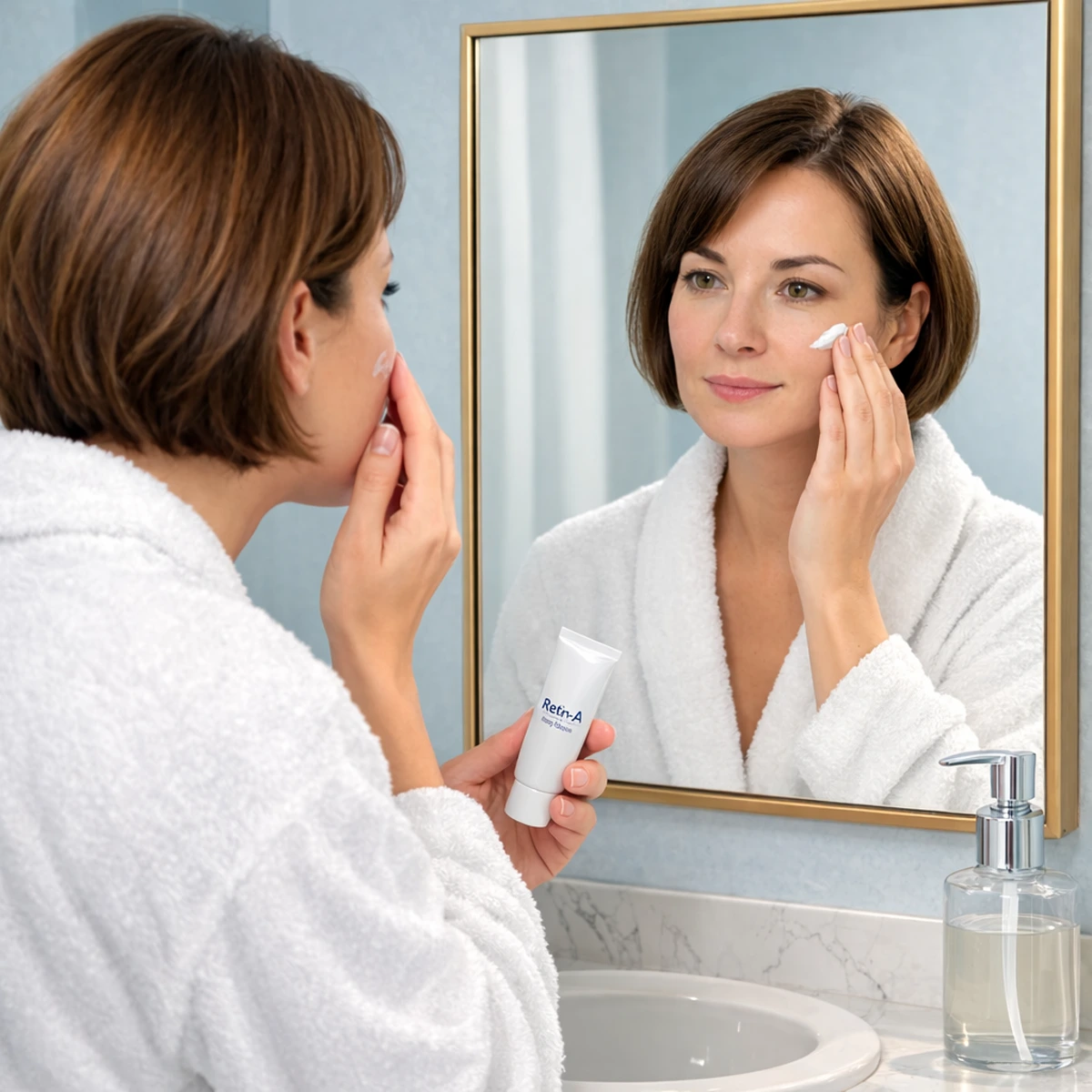
From a therapeutic standpoint, tretinoin offers a rare combination of breadth and depth of effect. It addresses comedones, papules, pustules, and post-inflammatory changes, while also exerting a preventive influence on future lesion formation. Its keratolytic and comedolytic actions help normalize desquamation within the pilosebaceous unit, thereby reducing microcomedone density, which is considered the earliest visible precursor of acne lesions. Over time, this upstream effect translates into fewer breakouts, smoother skin, and a more even complexion, which many patients describe as a transformation rather than a simple improvement.
Another hallmark of tretinoin is its dual relevance for both acne-prone adolescents and adults concerned with photoaging. The same retinoid receptor-mediated pathways that clear pores also stimulate collagen synthesis, reduce matrix metalloproteinase activity, and improve dermal glycosaminoglycan content. As a result, tretinoin occupies a unique crossroad where medical acne treatment and aesthetic skin optimization intersect. This duality has supported its integration not only in acne regimens but also in protocols targeting fine lines, mottled pigmentation, and roughness related to chronic sun exposure.
The pharmacokinetic profile of topical tretinoin adds further value. Despite being highly active at the cellular level, systemic absorption from correctly used topical formulations remains minimal in most individuals, which supports a favorable benefit-risk ratio. Formulation science has evolved around tretinoin, generating creams, gels, and microsphere preparations that modulate penetration, stability, and tolerability. Each vehicle can be tailored to specific skin types, from oily and acne-prone to dry and reactive, allowing nuanced personalization of therapy that would be difficult to achieve with less versatile agents.
Long-term observational data highlight that tretinoin is not merely a short-term flare-control product but a strategic agent for chronic acne management. By reducing the formation of new microcomedones and dampening subclinical inflammation, tretinoin contributes to sustained remission and decreased risk of permanent textural changes. Many individuals who remain adherent to an appropriate tretinoin regimen observe that their skin becomes less prone to sudden, severe flares over the years, reflecting a shift in the biological behavior of their pilosebaceous units rather than temporary cosmetic masking.
From a scientific perspective, tretinoin continues to serve as a reference standard for mechanistic research into retinoid signaling. Its affinity for nuclear retinoic acid receptors (RARs) and the downstream modulation of transcription factors make it a model compound for studying epidermal homeostasis. Insights gained from tretinoin research have inspired the development of newer synthetic retinoids and retinoid-like molecules, yet many of these agents are still compared against tretinoin in head-to-head trials to demonstrate non-inferiority or incremental benefit. This persistent reliance on tretinoin as a comparator underscores the robustness of its therapeutic profile.
Another aspect that elevates tretinoin is its compatibility with multi-modal acne regimens. It can be combined with topical antimicrobials, benzoyl peroxide, azelaic acid, and even systemic agents to achieve synergistic benefits. While each additional component targets a specific pathogenic factor, tretinoin remains the central modulator of follicular keratinization and cell turnover. This central role allows clinicians and patients to build layered regimens around tretinoin, adjusting adjunctive therapies according to disease severity, tolerability, and cosmetic goals while maintaining a stable retinoid backbone.
The enduring reputation of tretinoin as a foundation of modern topical acne therapy reflects not only decades of research but also countless real-world treatment journeys. When used thoughtfully and consistently, tretinoin has the potential to reshape the trajectory of acne-prone skin, reducing lesion burden, diminishing long-term scarring risk, and promoting a healthier, more refined skin surface over time.
How Tretinoin Works on a Cellular Level
Tretinoin exerts its effects by binding to nuclear retinoic acid receptors, primarily RAR-α, RAR-β, and RAR-γ, which are abundantly expressed in epidermal keratinocytes. Once bound, the tretinoin–RAR complex interacts with retinoic acid response elements in DNA, modifying transcription of genes involved in proliferation, differentiation, and inflammation. This genomic modulation leads to accelerated yet more orderly keratinocyte turnover, reducing the formation of cohesive plugs within hair follicles that would otherwise evolve into comedones.
Within the pilosebaceous unit, tretinoin normalizes the size, cohesion, and shedding pattern of corneocytes. In acne-prone skin, these cells tend to be hyperproliferative and abnormally sticky, leading to obstruction of the follicular canal. Tretinoin reduces intercellular adhesion by downregulating desmosomal components and altering the composition of the stratum corneum lipids. The follicular lumen becomes less congested, allowing sebum to flow more freely to the surface, which lowers the anaerobic environment favored by Cutibacterium acnes and indirectly diminishes bacterial proliferation.
On an inflammatory level, tretinoin influences cytokine networks and innate immune responses within the skin. It can reduce expression of toll-like receptor 2 on keratinocytes and dampen the release of pro-inflammatory mediators such as IL-6 and IL-8 that are typically elevated in active acne lesions. By modulating these pathways, tretinoin not only prevents comedone formation but also reduces the intensity and persistence of inflammatory papules and pustules. This anti-inflammatory contribution is subtle yet clinically meaningful, especially in patients with predominantly inflammatory acne phenotypes.
In the dermis, tretinoin stimulates fibroblasts to increase synthesis of type I and III collagen while reducing the activity of matrix metalloproteinases that degrade the extracellular matrix. This dual action fosters a more robust and better-organized collagen network. Over time, such remodeling can soften fine lines, improve skin firmness, and slightly elevate shallow atrophic acne scars. Furthermore, tretinoin enhances the production of glycosaminoglycans, which improve dermal hydration and turgor, contributing to a plumper and more elastic skin appearance.
Melanocytes and keratinocytes within the epidermal melanin unit are also influenced by tretinoin. The accelerated turnover of keratinocytes promotes more rapid dispersion and elimination of melanin granules, while indirect effects on melanogenic signaling pathways lead to a more even distribution of pigment. This mechanism explains the gradual fading of post-inflammatory hyperpigmentation and certain forms of dyschromia seen during tretinoin therapy. Rather than bleaching the skin, tretinoin harmonizes pigment distribution through regulated cell renewal.
Barrier function is initially disrupted by tretinoin due to its exfoliative and differentiation-modifying effects, which can provoke dryness, peeling, and sensitivity. However, with continued exposure and appropriate supportive care, the epidermis adapts and reorganizes its lipid and protein architecture. Ceramide synthesis may increase, and corneocyte envelope maturation improves, leading to a barrier that is both thinner in terms of compacted scales yet functionally more efficient. This adaptive remodeling explains why many individuals experience transient irritation at the beginning of therapy followed by a phase of improved resilience.
At the biochemical level, tretinoin also influences oxidative stress dynamics in the skin. By modulating expression of antioxidant enzymes and reducing the burden of lipid peroxidation associated with chronic inflammation and UV exposure, tretinoin helps protect structural proteins and cell membranes from cumulative damage. This antioxidant-supportive profile synergizes with its collagen-preserving effects, making tretinoin particularly valuable in photoaged skin where oxidative pathways are overactive.
The net cellular outcome of tretinoin therapy can be summarized as a shift toward more youthful epidermal kinetics, normalized follicular desquamation, moderated inflammation, and strengthened dermal support. This multi-layered mechanism explains why a single molecule can influence acne lesions, fine lines, pigmentation irregularities, and textural roughness simultaneously, providing a coherent biological rationale for its broad clinical utility.
Clinical Research Supporting Tretinoin in Dermatology
Evidence for tretinoin in dermatology spans more than half a century, encompassing randomized controlled trials, long-term observational cohorts, and numerous meta-analyses. Early landmark studies in acne demonstrated that topical tretinoin significantly reduced both non-inflammatory and inflammatory lesion counts compared with vehicle, often achieving reductions of 40–70 percent over several months. These findings were replicated across different age groups, skin types, and geographic regions, establishing tretinoin as a first-line agent in mild-to-moderate acne and a valuable adjunct in more severe disease.
Research in photoaging further expanded tretinoin’s reputation. Controlled trials comparing tretinoin cream to placebo documented statistically significant improvements in fine wrinkling, mottled hyperpigmentation, tactile roughness, and sallowness after 3–12 months of therapy. Histologic analysis revealed increased epidermal thickness, more organized stratum corneum, enhanced collagen deposition, and reduced solar elastosis. Such structural changes correlated closely with visible clinical benefits, reinforcing the concept that tretinoin is a true remodeling agent rather than a superficial cosmetic.
Head-to-head studies comparing tretinoin with other topical retinoids, such as adapalene and tazarotene, have provided nuanced insights. While some newer molecules may offer marginally improved tolerability profiles or specific advantages in certain indications, tretinoin consistently performs at least comparably in terms of efficacy, and in some trials demonstrates superior impact on comedonal acne and photoaging endpoints. This consistent performance across decades of research makes tretinoin a benchmark for evaluating any novel topical agent claiming retinoid-like effects.
Combination therapy trials underscore tretinoin’s synergistic potential. Studies pairing tretinoin with benzoyl peroxide, clindamycin, or other antimicrobials show faster onset of action and more pronounced lesion count reductions than monotherapy with either component alone. These regimens also contribute to antibiotic stewardship by allowing lower doses or shorter courses of systemic antibiotics when acne severity demands systemic support. Tretinoin’s ability to prevent microcomedone formation complements the antimicrobial and anti-inflammatory actions of its partners, yielding comprehensive control over multiple pathogenic pathways.
Longitudinal studies extending over several years have evaluated the durability of tretinoin’s benefits and its safety with chronic use. Participants who maintained consistent topical tretinoin application demonstrated sustained reductions in acne lesion counts and stable improvements in photoaging parameters without evidence of cumulative toxicity. Adverse effects such as irritation and erythema generally decreased over time, aligning with the concept of cutaneous adaptation. These long-term data provide reassurance for individuals who wish to incorporate tretinoin into ongoing skincare strategies rather than short-term corrective courses.
Special population studies have explored tretinoin use in different Fitzpatrick skin phototypes, as well as in individuals with highly reactive or sensitive skin. While transient irritation may be more pronounced in some groups, appropriate vehicle selection and gradual introduction protocols have allowed many participants to achieve significant benefit with acceptable tolerability. Research has also highlighted tretinoin’s role in reducing post-inflammatory hyperpigmentation in darker skin tones, where pigmentary sequelae of acne can be particularly distressing and persistent.
Beyond acne and photoaging, clinical investigations have assessed tretinoin in disorders such as melasma, actinic keratoses as part of combination regimens, and various keratinization disorders. Although tretinoin is not always the sole or primary therapy in these conditions, its inclusion often enhances outcomes by improving epidermal turnover, pigment distribution, and penetration of co-applied agents. Such findings have broadened the therapeutic scope of tretinoin and encouraged its integration into multi-step protocols for complex dermatologic presentations.
Collectively, the extensive clinical research portfolio surrounding tretinoin provides a robust, data-driven foundation for its ongoing use in dermatology. Trials across diverse conditions, populations, and combination regimens consistently highlight tretinoin’s capacity to deliver meaningful, measurable, and sustained improvements in skin health and appearance.
How Tretinoin Improves Skin Clarity and Texture
Tretinoin enhances skin clarity by targeting both the formation of new lesions and the residual marks they leave behind. By normalizing follicular keratinization, tretinoin decreases the number of microcomedones that would otherwise progress into visible blackheads, whiteheads, and inflamed papules. As the density of these early lesions falls, the overall complexion appears clearer, with fewer active breakouts competing for visual attention. Over time, the skin surface looks less congested, and the contrast between affected and unaffected areas diminishes.
Texture refinement is another defining feature of tretinoin therapy. The accelerated yet orderly shedding of corneocytes leads to a thinner, more uniform stratum corneum, which reduces surface roughness and flaking. Microscopically, the stratum corneum becomes more compact and regular, translating into a smoother feel under the fingertips and a more even reflection of light. This textural harmonization is particularly noticeable in individuals with long-standing comedonal acne, where previously rough, uneven skin gradually acquires a more refined, polished appearance.
Pore visibility often decreases with consistent tretinoin use, although the anatomical size of follicles does not truly shrink. Instead, pores appear smaller because they are less distended by keratinous debris and oxidized sebum. The removal of compacted material from the follicular openings reduces shadowing and irregularity at the skin surface. Makeup application becomes more uniform, and bare skin reflects light more evenly, which many individuals interpret as a "blurred" or soft-focus effect resulting from smoother microrelief.
Tretinoin also contributes to clearer skin by mitigating post-inflammatory changes that can linger after acne lesions resolve. Accelerated epidermal turnover helps disperse residual melanin and hemosiderin deposits more quickly, while reduced ongoing inflammation limits the intensity of new discolorations. As old marks fade and fewer new ones develop, the complexion gradually transitions from mottled and patchy to more uniform in tone. This clarity shift often continues for months, as deeper pigmentary irregularities slowly migrate to the surface and are shed.
In photoaged skin, tretinoin’s influence on dermal collagen and elastin networks complements its epidermal actions to enhance texture. Firmer underlying support reduces the appearance of fine lines and shallow depressions, while improved dermal hydration from increased glycosaminoglycan content lends a subtle plumpness. These deeper changes give the skin a more resilient, springy quality that is perceptible both visually and to the touch, especially in areas that previously felt thin, crepey, or lax.
Another dimension of texture improvement relates to the way tretinoin influences sebaceous gland activity and surface oil distribution. While tretinoin does not abolish sebum production, it can lead to a more balanced, less patchy distribution of oil across the face. This shift reduces the stark contrast between shiny, oily zones and dull, flaky regions. As the barrier adapts and corneocyte cohesion becomes more regulated, the skin tends to maintain a more consistent level of hydration and sheen, which enhances the perception of smoothness.
Subclinical micro-irregularities, such as barely visible atrophic pits and early scar formation, may also become less apparent with sustained tretinoin use. By promoting collagen synthesis and modulating matrix remodeling enzymes, tretinoin can gradually soften the edges of shallow scars and improve the transition between affected and unaffected tissue. While deep, long-standing scars may require procedural interventions, many mild textural defects respond favorably to the cumulative remodeling effects of topical tretinoin over extended periods.
The combined impact of fewer active lesions, reduced pore congestion, harmonized pigmentation, and strengthened dermal architecture generates a global improvement in skin clarity and texture. This multifactorial transformation explains why tretinoin is often described not simply as an acne treatment but as a comprehensive skin-renewal agent with benefits that extend across multiple aesthetic and functional domains.
Why Consistent Application Determines Treatment Success
The pharmacodynamic profile of tretinoin relies on continuous receptor engagement and sustained modulation of gene expression, making consistency a central determinant of therapeutic success. Irregular use interrupts the cascade of cellular events that normalize keratinocyte turnover and follicular desquamation, allowing microcomedones to reform and inflammatory pathways to reassert themselves. When application becomes sporadic, the skin oscillates between adaptation and withdrawal, which can perpetuate irritation without delivering the full spectrum of benefits.
Microcomedone formation is a chronic, ongoing process that occurs at a microscopic level long before lesions become visible. Tretinoin’s primary preventive action targets this earliest stage, but only if the drug is present often enough to influence the life cycle of follicular keratinocytes. Gaps of several days or weeks in application provide windows during which abnormal desquamation can resume, sebum can accumulate, and Cutibacterium acnes can proliferate in a partially obstructed follicular environment. Regular, sustained exposure keeps this pathogenic sequence in check and gradually reduces the baseline density of subclinical lesions.
Cutaneous adaptation to tretinoin also depends on consistency. During the initial phase, the epidermis responds with increased turnover and transient barrier disruption, which may manifest as dryness, peeling, and sensitivity. With ongoing, appropriately paced use, the skin reorganizes its lipid content and corneocyte architecture to accommodate the new kinetic equilibrium. If applications are frequently skipped or restarted abruptly, this adaptation process is repeatedly disrupted, prolonging the period of discomfort and preventing the barrier from reaching a stable, tolerant state.
The temporal dynamics of pigment and collagen remodeling further highlight the value of consistent application. Melanin dispersion and elimination require multiple cycles of epidermal renewal, while collagen synthesis and reorganization unfold over months. Irregular use stretches these timelines and can lead to plateaus where progress appears stalled. In contrast, steady tretinoin exposure supports continuous incremental change, which may be subtle week to week but becomes striking when viewed over the span of several months or a year.
Psychologically, consistent application fosters a constructive relationship with treatment, reinforcing the perception of investment in skin health and making incremental improvements easier to appreciate. When use is erratic, it becomes difficult to attribute changes—positive or negative—to the medication, which can undermine confidence and adherence. Regular routines reduce this ambiguity, allowing individuals to correlate their efforts with observable outcomes and adjust supporting skincare more rationally.
From a regimen-integration perspective, consistent tretinoin use also simplifies the coordination of complementary products such as non-comedogenic moisturizers, gentle cleansers, and targeted actives. Predictable retinoid exposure allows these adjuncts to be timed and layered in ways that optimize synergy and minimize irritation. Conversely, intermittent tretinoin use can complicate product planning, as the skin’s tolerance and needs may fluctuate unpredictably, leading to cycles of overcorrection and withdrawal.
Another benefit of consistency lies in long-term risk reduction, particularly regarding acne scarring and persistent hyperpigmentation. Each uncontrolled inflammatory flare carries the potential to leave behind structural or pigmentary sequelae. By keeping the frequency and intensity of breakouts lower over extended periods, consistent tretinoin application indirectly reduces the cumulative burden of such sequelae. This preventive dimension often becomes more evident years later, when individuals who maintained steady retinoid use exhibit fewer permanent marks than might otherwise be expected based on their initial acne severity.
Steady, long-term engagement with tretinoin transforms it from a reactive measure used only during flares into a proactive maintenance tool that shapes the skin’s trajectory. When integrated consistently into a broader skincare framework, tretinoin has the potential to convert unstable, acne-prone, or photo-damaged skin into a more predictable, resilient, and refined organ over time.
Decades of Scientific Validation in Dermatologic Practice
The history of tretinoin in dermatology reflects a rare convergence of basic science, clinical innovation, and long-term real-world validation. Introduced in the late 1960s as one of the first topical treatments to directly address acne pathogenesis, tretinoin quickly distinguished itself from older keratolytics and astringents that offered only partial or transient relief. Early investigators were able to link clinical improvements to measurable changes in follicular keratinization and epidermal turnover, providing a mechanistic narrative that aligned with observable outcomes.
Over subsequent decades, tretinoin became a central figure in dermatologic research, inspiring hundreds of peer-reviewed publications that explored its pharmacology, safety, and versatility. Each new wave of studies refined understanding of optimal concentrations, vehicles, application schedules, and combination strategies. This iterative process produced a body of evidence that is not static but continually updated, with modern trials still referencing and building upon foundational work from earlier eras. Few topical agents can claim such a continuous research lineage spanning more than fifty years.
The breadth of indications studied with tretinoin underscores its scientific robustness. Beyond acne and photoaging, researchers have evaluated tretinoin in conditions such as actinic keratoses (often in combination regimens), melasma, various hyperpigmentation disorders, and keratinization abnormalities. While efficacy varies by condition and context, the recurring theme is that tretinoin’s core actions on cell turnover and differentiation confer meaningful benefits across a spectrum of epidermal and follicular pathologies. This cross-indication relevance reinforces confidence in its underlying biological mechanisms.
Safety data accumulated over decades of widespread use have been equally informative. Large post-marketing surveillance programs and observational studies have tracked adverse event patterns, rare reactions, and long-term tolerability in diverse populations. These data show that while irritation and dryness are common early experiences, serious complications are uncommon when tretinoin is used appropriately. This safety profile, supported by both controlled trials and real-world evidence, has contributed to its acceptance as a long-term management option rather than a short-lived intervention.
Another dimension of validation comes from comparative effectiveness research. As new retinoids and retinoid-like agents have entered the market, many have been evaluated against tretinoin as a standard comparator. This recurrent selection of tretinoin as the reference arm in trials speaks to its status as a gold-standard benchmark. Even when newer molecules demonstrate certain advantages—such as improved tolerability in specific formulations—tretinoin often matches or surpasses them in key efficacy endpoints, reaffirming its relevance in contemporary practice.
Pharmaceutical innovation has also revolved around optimizing tretinoin delivery. Researchers have explored microsphere technology, polymeric delivery systems, and various emulsion structures to enhance stability, control penetration, and reduce irritation. Each new formulation undergoes rigorous testing to demonstrate that the pharmacodynamic benefits of tretinoin are preserved or enhanced while improving user experience. This continuous refinement process shows how a well-established active ingredient can evolve through formulation science without losing its core identity.
Educational materials, clinical guidelines, and consensus statements from expert panels often highlight tretinoin as a foundational component of evidence-based skincare for acne and photoaging. These documents synthesize decades of research into practical recommendations, reflecting a high level of confidence in tretinoin’s benefit-risk ratio. The recurring presence of tretinoin in such guidance reinforces its role not merely as one option among many, but as a central pillar around which other therapies are frequently organized.
The sustained scientific and clinical attention devoted to tretinoin demonstrates that it is not a transient trend but a deeply validated therapeutic mainstay. As new technologies, molecules, and treatment paradigms continue to emerge, tretinoin remains a reference point for efficacy, mechanism, and long-term outcomes, providing a stable anchor in an ever-evolving dermatologic landscape.
What Skin Conditions Can Tretinoin Improve?
Tretinoin is best known for its transformative impact on acne, yet its therapeutic reach extends to a broad spectrum of skin conditions rooted in disordered keratinization, pigmentation, and photo-induced damage. By acting on fundamental processes such as cell turnover, differentiation, and dermal remodeling, tretinoin influences multiple clinical endpoints that manifest as blemishes, roughness, discoloration, and early wrinkling. This versatility allows the same molecule to address concerns that might otherwise require several separate topical agents.
Acne vulgaris remains the prototypical indication for tretinoin, encompassing both comedonal and inflammatory phenotypes. In comedonal acne, tretinoin reduces blackheads and whiteheads by normalizing follicular desquamation, while in inflammatory acne it lowers the burden of papules and pustules indirectly through its comedolytic and anti-inflammatory actions. The capacity to act on both current lesions and future microcomedones positions tretinoin as a cornerstone of comprehensive acne management, from mild presentations to more complex, mixed forms.
Beyond active acne lesions, tretinoin plays a significant role in improving the aftermath of breakouts, particularly post-inflammatory hyperpigmentation and textural irregularities. Dark marks that linger after pimples resolve can be especially persistent in medium-to-dark skin tones, where melanocytes respond vigorously to inflammation. By accelerating epidermal renewal and promoting more even melanin distribution, tretinoin supports gradual fading of these marks, helping the complexion regain uniformity over time.
- Acne vulgaris with comedonal and inflammatory components that benefit from normalized follicular turnover.
- Post-inflammatory hyperpigmentation following acne or minor skin injuries, especially in darker phototypes.
- Early photoaging characterized by fine lines, mottled pigmentation, and tactile roughness.
- Pigmentary disorders such as melasma when incorporated into broader multimodal regimens.
- Keratinization disorders like keratosis pilaris and certain follicular plugging conditions.
Photoaging represents another major domain where tretinoin demonstrates impressive benefits. Chronic ultraviolet exposure leads to collagen breakdown, elastin degeneration, and irregular melanin deposition, producing wrinkles, laxity, and uneven tone. Tretinoin counters these processes by stimulating new collagen synthesis, reducing matrix-degrading enzymes, and harmonizing epidermal turnover. Clinically, this translates into softened fine lines, smoother texture, and a more luminous, uniform complexion, particularly when therapy is maintained over many months.
Pigmentation disorders such as melasma and lentigines can also respond favorably to tretinoin, especially when it is combined with other depigmenting agents and rigorous photoprotection. Tretinoin enhances penetration of co-applied actives and accelerates the shedding of pigment-laden keratinocytes, thereby amplifying the impact of combination regimens. While tretinoin alone may not fully resolve complex pigmentary conditions, its contribution as a turnover accelerator and penetration enhancer is highly valued in evidence-based protocols.
Keratinization disorders, including keratosis pilaris and certain follicular plugging conditions, may improve under tretinoin therapy due to its capacity to regulate corneocyte cohesion and desquamation. In these conditions, rough, bumpy skin arises from compacted keratin within follicles and on the surface. Tretinoin’s exfoliative and normalizing influence can gradually smooth these areas, reducing the prominence of bumps and improving overall skin feel. Such benefits often become more evident when tretinoin is paired with emollients that support barrier function.
Another clinically meaningful domain is the reduction of acne scarring risk. While tretinoin does not erase established deep scars on its own, its role in preventing recurrent, intense inflammatory flares indirectly reduces the probability of new scar formation. Furthermore, its collagen-stimulating properties can subtly improve shallow atrophic scars and textural irregularities, especially when therapy is initiated relatively early in the course of acne. This preventive and corrective dual action underscores tretinoin’s value in preserving long-term skin quality.
Through its multifaceted actions on keratinocytes, melanocytes, and fibroblasts, tretinoin addresses an array of conditions that share common biological pathways. Whether the primary concern is active acne, residual marks, early signs of aging, or rough, uneven texture, tretinoin offers a scientifically grounded approach that targets root mechanisms rather than surface manifestations alone.
Acne Vulgaris and Inflammatory Breakouts
Acne vulgaris is a multifactorial condition characterized by follicular hyperkeratinization, excess sebum production, colonization by Cutibacterium acnes, and inflammation. Tretinoin addresses the central event of follicular plugging, which sets the stage for both comedonal and inflammatory lesions. By normalizing keratinocyte proliferation and desquamation within the pilosebaceous unit, tretinoin reduces the formation of microcomedones, thereby lowering the substrate upon which bacteria and inflammation act. This upstream intervention influences the entire cascade of acne pathogenesis.
In comedonal acne, visible blackheads and whiteheads reflect compacted keratin and sebum within dilated follicles. Tretinoin gradually loosens and expels these plugs while preventing new ones from forming. Over weeks to months, lesion counts typically decline, and the skin surface appears less congested. Because microcomedones form continuously, sustained tretinoin exposure is necessary to maintain this comedolytic environment and prevent relapse into a state of high lesion density.
Inflammatory acne lesions, including papules and pustules, often arise when microcomedones become colonized by C. acnes, triggering an immune response. Although tretinoin does not act as a direct antimicrobial, its reduction of microcomedone formation and its modulation of inflammatory mediators indirectly diminish the frequency and severity of inflammatory eruptions. Fewer obstructed follicles mean fewer confined spaces where bacteria and inflammatory cells can accumulate, reducing the likelihood of painful, swollen lesions that can lead to scarring.
Tretinoin’s role in acne therapy extends beyond lesion count reduction to the quality of residual skin. By promoting more orderly epidermal renewal, it helps minimize the rough, uneven texture that can persist after repeated breakouts. It also supports the gradual fading of post-inflammatory erythema and hyperpigmentation, which often remain long after active lesions have resolved. This dual action on active disease and its sequelae makes tretinoin particularly valuable for individuals who are as concerned about lingering marks as they are about current pimples.
Clinical trials in acne vulgaris consistently demonstrate that tretinoin outperforms vehicle controls in reducing both non-inflammatory and inflammatory lesions. Efficacy is dose-dependent to a degree, with higher concentrations generally offering greater potency at the cost of increased irritation risk. Formulation choice—cream, gel, or microsphere—further influences tolerability and suitability for different skin types. Such flexibility allows treatment to be fine-tuned based on whether the predominant presentation is oily, dry, sensitive, or mixed.
In moderate-to-severe acne, tretinoin is frequently integrated into combination regimens with benzoyl peroxide, topical antibiotics, or systemic agents. These combinations tackle multiple pathogenic factors simultaneously: tretinoin addresses follicular plugging and cell turnover, benzoyl peroxide provides potent antimicrobial and mild keratolytic effects, and antibiotics target bacterial overgrowth and inflammation. When coordinated thoughtfully, such regimens can achieve rapid and sustained control of complex acne patterns while reducing the need for prolonged high-dose systemic therapy.
Another advantage of tretinoin in acne management is its suitability for long-term maintenance once initial control has been achieved. After intensive combination therapy, continuing tretinoin as a maintenance agent helps preserve remission by preventing the reaccumulation of microcomedones. This maintenance role can be particularly beneficial during life stages characterized by hormonal fluctuations, such as adolescence or early adulthood, when the propensity for acne remains elevated over many years.
By targeting the root processes that drive both comedonal and inflammatory acne, tretinoin provides a coherent, mechanistically grounded strategy for short- and long-term control. Its capacity to integrate seamlessly into multi-agent regimens while also serving as a standalone maintenance therapy underscores its central importance in acne vulgaris management.
Comedonal Acne and Persistent Clogged Pores
Comedonal acne is dominated by open and closed comedones—blackheads and whiteheads—that reflect chronic follicular obstruction rather than overt inflammation. In this phenotype, the primary challenge lies in the abnormal cohesion and accumulation of keratinocytes within the follicular infundibulum, leading to compacted plugs that distend the pore and disrupt the skin’s surface. Tretinoin directly addresses this pathology by accelerating and normalizing keratinocyte turnover, thereby reducing the stickiness and volume of corneocytes that contribute to plug formation.
Closed comedones, or whiteheads, represent follicles that are obstructed near the surface but remain covered by a thin layer of epidermis. Tretinoin gradually thins and normalizes this overlying layer while promoting the extrusion of impacted material. Over time, many closed comedones flatten and resolve without progressing to inflammatory lesions. Open comedones, or blackheads, result from oxidized sebum and debris within dilated follicles. By reducing the amount of retained material, tretinoin lessens the prominence and number of these dark, visually distracting lesions.
Persistent clogged pores often coexist with a rough, uneven skin texture that can be difficult to conceal with cosmetics. Tretinoin’s impact on the stratum corneum improves not only the internal state of follicles but also the external microrelief of the skin. As compacted scales are shed more efficiently and replaced by a more uniform stratum corneum, the surface becomes smoother and less bumpy. This change enhances light reflection and makes pores appear less conspicuous, even when their anatomic diameter remains unchanged.
Comedonal acne is frequently resistant to superficial measures such as aggressive cleansing or physical exfoliation, which may temporarily dislodge some debris but do not correct the underlying keratinization defect. Tretinoin’s genomic actions within keratinocytes provide a deeper, more durable solution by recalibrating the way these cells proliferate and detach. This internal recalibration reduces reliance on mechanical extraction procedures that can irritate the skin, provoke inflammation, or contribute to post-inflammatory hyperpigmentation, especially in sensitive or darker skin types.
Clinical experience shows that comedonal acne responds particularly well to tretinoin when therapy is maintained consistently over several months. Early in treatment, some individuals may notice that existing comedones come to the surface more rapidly, giving the impression of a transient flare. This phase reflects the accelerated maturation and extrusion of pre-existing microcomedones rather than the formation of new lesions. As the reservoir of subclinical comedones diminishes, the rate of new visible comedone formation typically slows, and the overall complexion becomes clearer and more refined.
Vehicle selection plays a meaningful role in managing comedonal acne, especially in individuals with oily or combination skin. Gel and microsphere formulations of tretinoin often suit these skin types well, as they provide effective delivery of the active ingredient without excessive occlusiveness. Cream vehicles can be advantageous in drier or more mature skin, where additional emollient content helps offset retinoid-induced dryness while still delivering robust comedolytic action. Tailoring the formulation to the skin’s baseline characteristics enhances tolerability and supports consistent use.
Another advantage of tretinoin in comedonal acne lies in its preventive capacity. Even after visible comedones have largely cleared, the propensity for follicular obstruction may persist due to genetic, hormonal, or environmental influences. Continued tretinoin use helps maintain a state of normalized follicular turnover, reducing the likelihood of relapse into a high-comedone state. This preventive effect is particularly valuable for individuals whose acne is primarily non-inflammatory but highly persistent over many years.
By directly targeting the keratinization abnormalities that drive comedonal acne and clogged pores, tretinoin offers a scientifically coherent pathway to smoother, clearer skin. Its sustained use can transform a complexion dominated by blackheads and whiteheads into one characterized by finer texture and more uniform tone, making it a cornerstone therapy for this challenging acne subtype.
Post-Acne Hyperpigmentation and Uneven Tone
Post-acne hyperpigmentation (PIH) arises when inflammation from acne lesions stimulates melanocytes to produce excess melanin, which is then deposited in the epidermis or dermis. These marks can persist long after active breakouts have resolved, creating a patchwork of dark spots that distort skin tone and prolong the psychological burden of acne. Tretinoin addresses PIH primarily through its capacity to accelerate epidermal turnover and normalize melanin distribution, thereby promoting gradual fading of discolorations.
Within the epidermis, tretinoin speeds up the life cycle of keratinocytes, shortening the time it takes for pigment-laden cells to migrate from the basal layer to the stratum corneum and be shed. As these cells are replaced by less heavily pigmented successors, the intensity of dark spots diminishes. This process is incremental, with subtle improvements accumulating over weeks and months. Because tretinoin acts on the entire epidermal compartment, it not only lightens discrete spots but also enhances the uniformity of overall skin tone.
Tretinoin also influences the interaction between keratinocytes and melanocytes in the epidermal melanin unit. By modulating the expression of key genes involved in differentiation and signaling, tretinoin can lead to a more even distribution of melanosomes among keratinocytes. This redistribution reduces the sharp contrast between hyperpigmented areas and surrounding skin. While tretinoin does not function as a direct tyrosinase inhibitor like some depigmenting agents, its regulatory effects on cell turnover and pigment handling provide a powerful complementary mechanism.
In skin of color, where PIH tends to be more intense and longer-lasting, tretinoin plays an especially valuable role. The heightened melanocytic response to inflammation in darker phototypes means that even small acne lesions can leave disproportionately noticeable marks. Studies have shown that tretinoin, particularly when combined with other agents such as hydroquinone, azelaic acid, or mild exfoliants, can significantly improve PIH in these populations. Careful attention to concentration and vehicle selection helps balance efficacy with tolerability, minimizing the risk of irritation-induced rebound pigmentation.
Uneven tone after acne is not limited to hyperpigmented macules; it may also involve residual erythema, especially in lighter skin types. While tretinoin’s primary impact is on melanin rather than hemoglobin, its anti-inflammatory and barrier-normalizing effects can indirectly support the resolution of post-inflammatory redness. By reducing ongoing subclinical inflammation and promoting healthier epidermal architecture, tretinoin creates a milieu in which vascular changes can settle more predictably over time.
Texture and tone are closely linked in the perception of post-acne skin quality. Tretinoin’s capacity to refine surface roughness and minimize residual bumps enhances the visual effect of pigment improvement. As the skin becomes smoother, light is reflected more evenly, which can make lingering discolorations less noticeable even before they have fully faded. This synergy between textural and pigmentary benefits contributes to the impression of a more radiant, uniform complexion.
Combination regimens targeting PIH often leverage tretinoin as a penetration enhancer for other active ingredients. By thinning the stratum corneum and improving its permeability, tretinoin allows co-applied depigmenting agents to reach their targets more efficiently. This synergistic effect has been documented in clinical studies where tretinoin-containing triple-combination creams outperform formulations lacking a retinoid component. Such strategies are particularly useful in recalcitrant or extensive PIH where monotherapy yields only modest gains.
Through its multifaceted actions on epidermal turnover, pigment distribution, inflammation, and texture, tretinoin offers a comprehensive approach to post-acne hyperpigmentation and uneven tone. With sustained use, many individuals experience a progressive transition from mottled, spotty skin to a more harmonious, balanced complexion that better reflects the underlying health of the epidermis.
Photoaging, Fine Lines, and Early Wrinkles
Photoaging results from cumulative exposure to ultraviolet radiation, which accelerates collagen degradation, disrupts elastin fibers, and induces irregular melanin deposition. Clinically, this process manifests as fine lines, wrinkles, rough texture, enlarged pores, and mottled pigmentation. Tretinoin is one of the most extensively studied topical agents for reversing early photoaging changes, with robust evidence demonstrating its capacity to remodel both the epidermis and the superficial dermis.
In the epidermis, chronic sun exposure leads to a thickened, disorganized stratum corneum and a thinned viable epidermal layer. Tretinoin reverses this pattern by promoting desquamation of compacted corneocytes and stimulating proliferation in the basal layer. The result is a smoother, more regular stratum corneum overlying a slightly thickened viable epidermis. This rebalanced architecture improves light reflection, reduces surface roughness, and diminishes the appearance of fine lines etched into the uppermost layers of the skin.
Within the dermis, UV radiation upregulates matrix metalloproteinases that degrade collagen and elastin, while suppressing new collagen synthesis. Tretinoin counters these effects by downregulating MMP activity and stimulating fibroblasts to produce new type I and III collagen. Over months of consistent use, histologic studies reveal increased collagen density and more organized collagen bundles in the upper dermis. Clinically, these changes translate into softened fine wrinkles, improved firmness, and a more elastic, resilient skin texture.
Tretinoin also impacts the glycosaminoglycan content of the dermal matrix. By promoting the synthesis of these hydrophilic molecules, tretinoin enhances dermal hydration and turgor. The skin acquires a subtly plumper quality that makes fine etched lines less conspicuous and contributes to a more youthful surface topography. This internal hydration effect complements external moisturizers, providing a structural rather than purely cosmetic improvement in skin fullness.
Photoinduced dyschromia, including solar lentigines and mottled pigmentation, often coexists with fine lines in photoaged skin. Tretinoin’s acceleration of epidermal turnover and normalization of melanin distribution help fade these discolorations over time. When used as part of a comprehensive photoaging regimen that includes broad-spectrum photoprotection and, when appropriate, additional pigment-targeting agents, tretinoin enhances overall skin clarity and radiance, making wrinkles less visually prominent.
Clinical trials in photoaged individuals consistently show that tretinoin outperforms vehicle in improving fine wrinkling, tactile roughness, and hyperpigmentation. Visible benefits typically emerge gradually over several months, with continued gains over a year or more. Some studies have documented maintenance of these improvements with ongoing use, suggesting that tretinoin not only reverses certain photoaging changes but also helps prevent their rapid recurrence by stabilizing dermal and epidermal architecture.
Periorbital and perioral regions, where fine lines often appear earliest, can be particularly responsive to carefully managed tretinoin therapy. Although these areas are more prone to irritation due to thinner skin, gradual introduction and appropriate vehicle selection allow many individuals to experience noticeable smoothing of fine creases and improved texture. When combined with photoprotective behaviors, this targeted use of tretinoin can significantly delay the progression from fine lines to deeper, more permanent wrinkles.
By addressing the core structural and pigmentary consequences of chronic sun exposure, tretinoin offers a scientifically grounded strategy for managing early photoaging. Its long-term use supports a more youthful skin architecture, smoother texture, and more even tone, aligning cosmetic improvements with measurable histologic changes.
Rough or Uneven Skin Texture
Rough or uneven skin texture often reflects a combination of factors, including compacted stratum corneum, subclinical comedones, mild scarring, and chronic low-grade inflammation. These elements disrupt the smooth microrelief of the skin, causing light to scatter irregularly and creating a dull, coarse appearance. Tretinoin addresses multiple contributors to textural irregularity by recalibrating epidermal turnover, refining follicular architecture, and promoting subtle dermal remodeling.
At the surface level, the stratum corneum in rough skin tends to be thickened and composed of irregularly sized, poorly cohesive corneocytes. Tretinoin accelerates the shedding of these cells while promoting the formation of more uniform replacements. Over time, the outermost layer becomes thinner yet more organized, reducing flakiness and the perception of dryness. This streamlined barrier reflects light more evenly, giving the skin a smoother, more luminous quality that is immediately perceptible to the eye.
Subclinical microcomedones and tiny keratin plugs within follicles also contribute to a bumpy feel, especially when running fingers across the skin. Tretinoin’s comedolytic action gradually clears these obstructions, smoothing the transition between follicular openings and surrounding epidermis. As the number of these microscopic bumps decreases, the overall texture becomes more uniform. Individuals often report that their skin feels "finer" or "silkier," even if they did not initially identify comedones as a primary concern.
Mild atrophic changes, such as shallow pits or soft depressions from past acne, can also disrupt texture. While tretinoin cannot fully reconstruct deep scars on its own, its stimulation of collagen synthesis and modulation of matrix remodeling can soften the edges of shallow irregularities. Over months to years, this gradual dermal support can make the transitions between depressed and normal areas less abrupt, improving the tactile and visual continuity of the skin surface.
Chronic low-grade inflammation, often driven by environmental stressors, pollution, or subclinical acne, contributes to textural dullness by impairing barrier function and promoting uneven desquamation. Tretinoin’s regulatory influence on inflammatory mediators and its enhancement of barrier renewal help counter these effects. As inflammation subsides and the barrier becomes more competent, the skin regains a smoother, more supple feel, and is better able to maintain hydration and resilience in the face of daily stressors.
Texture improvement with tretinoin is not limited to facial skin. Areas such as the chest, shoulders, and upper back, which may exhibit roughness from follicular plugging or photoexposure, can also respond favorably. Careful titration of concentration and frequency is particularly important on these body sites, where the stratum corneum may differ in thickness and sensitivity from facial skin. With appropriate adjustments, tretinoin can contribute to a more uniform texture across multiple cosmetically important areas.
The synergy between tretinoin and supportive skincare further amplifies textural gains. As tretinoin refines the stratum corneum and promotes orderly turnover, humectants and emollients can penetrate more effectively and bind water in a more organized barrier. This coordinated action enhances smoothness, reduces micro-flakiness, and supports a soft, even skin feel that is both aesthetically pleasing and functionally robust.
Through its layered effects on the stratum corneum, follicles, dermal matrix, and inflammatory milieu, tretinoin offers a comprehensive solution for rough or uneven texture. Over time, this translates into skin that not only looks smoother in photographs and mirrors but also feels consistently refined and supple to the touch.
Melasma and Other Pigmentation Irregularities
Melasma is a chronic pigmentary disorder characterized by symmetric, blotchy hyperpigmented patches, most commonly on the face. It arises from a complex interplay of genetic predisposition, hormonal influences, and ultraviolet exposure, leading to increased melanogenesis and melanin transfer to keratinocytes. Tretinoin occupies an important role in melasma management as both a turnover accelerator and a penetration enhancer for other depigmenting agents, making it a key component of many evidence-based combination therapies.
On its own, tretinoin promotes the shedding of melanin-laden keratinocytes, gradually lightening superficial epidermal pigment. This effect is particularly relevant in epidermal or mixed-type melasma, where a significant proportion of excess pigment resides in the upper layers of the skin. By shortening the transit time of keratinocytes from the basal layer to the stratum corneum, tretinoin facilitates faster clearance of accumulated pigment compared with the skin’s baseline renewal rate.
Tretinoin also modifies the epidermal barrier, thinning the stratum corneum and increasing its permeability. This change enhances the delivery of co-applied agents such as hydroquinone, azelaic acid, kojic acid, or mild chemical exfoliants, allowing them to more effectively reach melanocytes and key enzymes in the melanogenic pathway. Clinical studies of triple-combination creams that include tretinoin consistently show superior outcomes compared with formulations lacking a retinoid, underscoring tretinoin’s role as a therapeutic amplifier in melasma regimens.
Beyond melasma, tretinoin contributes to the management of other pigmentation irregularities, including solar lentigines, post-inflammatory hyperpigmentation from non-acne causes, and generalized uneven tone from chronic sun exposure. In these contexts, its impact on cell turnover and melanin distribution helps blend the borders between hyperpigmented lesions and surrounding skin, reducing contrast and improving overall homogeneity. When combined with rigorous photoprotection, these changes can be maintained and gradually enhanced over time.
Melasma is notoriously prone to relapse, particularly when hormonal triggers or UV exposure remain active. Tretinoin’s utility extends into the maintenance phase of therapy, where lower concentrations or less frequent application can help sustain pigment control achieved during intensive treatment. By preserving a state of efficient epidermal renewal and improved barrier function, tretinoin reduces the tendency for pigment to reaccumulate quickly in previously affected areas.
In darker skin phototypes, where melasma and other pigmentary disorders are especially common and psychologically impactful, tretinoin must be used with thoughtful attention to concentration and vehicle to avoid irritation-induced hyperpigmentation. When introduced gradually and supported by soothing, non-comedogenic moisturizers, many individuals in these groups experience significant benefit with acceptable tolerability. The combination of tretinoin with gentle depigmenting agents and daily photoprotection forms the backbone of many successful protocols for complex pigmentary presentations.
Another advantage of tretinoin in pigmentary disorders lies in its concurrent textural and anti-photoaging benefits. Many individuals with melasma also exhibit signs of photoaging, such as fine lines and roughness, which can accentuate the visibility of pigmentary patches. By improving texture and softening fine wrinkles, tretinoin helps create a smoother canvas on which pigmentation appears less stark, enhancing the overall cosmetic outcome beyond pigment lightening alone.
Through its dual roles as a pigment-dispersion facilitator and a penetration enhancer for other actives, tretinoin provides a powerful adjunctive tool in the management of melasma and diverse pigmentation irregularities. When integrated into comprehensive regimens that prioritize photoprotection and barrier support, tretinoin contributes to more stable, long-lasting improvements in skin tone uniformity.
Keratosis Pilaris and Follicular Keratinization Disorders
Keratosis pilaris (KP) is a common follicular keratinization disorder characterized by small, rough, keratotic papules typically found on the upper arms, thighs, and sometimes cheeks or buttocks. These bumps arise when keratin accumulates within hair follicles, forming plugs that protrude from the skin surface and create a sandpaper-like texture. Tretinoin addresses the core abnormality in KP by promoting more orderly keratinocyte differentiation and desquamation, thereby reducing the formation of these follicular plugs.
In KP, the stratum corneum around affected follicles often exhibits increased thickness and compactness, with corneocytes that adhere too strongly to one another. Tretinoin accelerates turnover and reduces intercellular adhesion, helping to loosen and shed the excess keratin that clogs follicles. Over time, the follicular openings become less obstructed, and the characteristic rough papules flatten, leading to a smoother skin surface. This process is gradual and requires consistent application, but many individuals notice early improvements in tactile feel before dramatic visual changes occur.
Follicular keratinization disorders share common pathophysiologic features with comedonal acne, including abnormal desquamation and plug formation, even though inflammation and sebum overproduction are less prominent in KP. Tretinoin’s success in comedonal acne provides a strong mechanistic rationale for its use in KP and related conditions. By recalibrating the behavior of keratinocytes within the follicular infundibulum, tretinoin addresses the root of the plugging process rather than simply abrading the surface.
KP often coexists with dryness or a tendency toward atopic skin, which can complicate retinoid use. In such settings, vehicle selection and supportive moisturization are particularly important. Cream formulations of tretinoin, which include emollient components, can be preferable on body sites prone to dryness, as they help buffer potential irritation while still delivering effective concentrations of the active ingredient. When combined with rich, fragrance-free moisturizers applied at appropriate intervals, tretinoin can be integrated into a regimen that both smooths keratotic papules and reinforces barrier function.
Beyond classical KP, tretinoin may benefit other follicular keratinization disorders such as lichen spinulosus, phrynoderma related to nutritional deficiencies (after correction of the underlying cause), and certain forms of follicular hyperkeratosis associated with systemic conditions. While evidence for these uses is less extensive than for KP, the shared mechanisms of abnormal keratin accumulation provide a logical basis for therapeutic exploration under appropriate supervision and monitoring.
Texture changes in KP-affected areas often extend beyond the visible papules, with surrounding skin feeling coarse or dry. As tretinoin refines the stratum corneum and normalizes desquamation, the overall feel of the skin improves, even in clinically less obvious regions. This broader textural enhancement contributes significantly to patient satisfaction, as the skin not only looks less bumpy but also feels smoother when touched or when clothing brushes against it.
Long-term maintenance is a key consideration in KP and related disorders, which tend to be chronic and recurrent. Once a satisfactory degree of smoothing has been achieved with tretinoin, many individuals transition to lower application frequencies or alternating regimens that balance efficacy with convenience and tolerability. In this maintenance phase, tretinoin continues to support normalized follicular keratinization, reducing the likelihood of a full return to the pre-treatment roughness and bumpiness.
By targeting the fundamental keratinization abnormalities within hair follicles, tretinoin provides a rational, mechanism-based approach to keratosis pilaris and other follicular plugging conditions. Over time, this leads to skin that not only appears less dotted with bumps but also exhibits a more uniform, comfortable texture across affected regions.
Reduction of Acne Scarring Risk
Acne scarring arises when intense or prolonged inflammation damages the dermal matrix, leading to loss or disorganization of collagen and elastin. Atrophic scars, including icepick, boxcar, and rolling types, represent permanent structural changes that can be challenging to correct fully, often requiring procedural interventions. Tretinoin plays an important preventive role by reducing the frequency and severity of inflammatory lesions and by supporting dermal remodeling processes that mitigate the impact of injury when it occurs.
The first line of defense against scarring is effective control of active acne. By normalizing follicular keratinization and reducing microcomedone formation, tretinoin lowers the number of lesions that progress to deeply inflamed nodules or cysts, which are the primary drivers of atrophic scarring. Fewer severe lesions mean fewer opportunities for destructive inflammation to compromise dermal architecture. Over years, this reduction in high-risk events can translate into a substantially lower burden of permanent scars compared with the expected outcome in untreated or poorly controlled acne.
Tretinoin’s modulation of inflammatory mediators also contributes to scar risk reduction. By dampening the intensity and duration of inflammatory responses within acne lesions, tretinoin helps limit the collateral damage to surrounding dermal tissue. Less aggressive inflammation means less enzymatic degradation of collagen and a more orderly repair process, which favors flatter, less conspicuous post-lesional changes rather than sharply demarcated depressions or hypertrophic responses.
In addition to its preventive effects, tretinoin supports the remodeling of early atrophic changes. By stimulating fibroblasts to synthesize new collagen and modulating matrix metalloproteinases, tretinoin encourages a more balanced restructuring of the dermal matrix during the healing phase. When introduced relatively early in the course of acne, this collagen-supportive environment can soften the eventual appearance of shallow scars and irregularities, making them less pronounced and more responsive to adjunctive therapies if needed.
Post-inflammatory hyperpigmentation and erythema, while not true scars, often accompany or follow acne lesions and can visually mimic scarring. Tretinoin’s impact on epidermal turnover and pigment distribution accelerates the fading of these marks, helping distinguish between transient discoloration and true textural defects. This clarification is psychologically beneficial and also guides more accurate decisions about whether procedural scar treatments are necessary or whether continued topical therapy will suffice.
Long-term observational data suggest that individuals who maintain consistent tretinoin use throughout their acne-prone years often exhibit fewer and less severe scars than might be expected based on their initial disease severity. While genetics, lesion manipulation habits, and other factors also play roles, the stabilizing influence of tretinoin on follicular behavior and inflammation appears to shift the overall trajectory of acne toward a less scarring-prone pattern. This shift is particularly meaningful in populations at high risk of scarring due to genetic or hormonal predispositions.
Even in the presence of established scars, tretinoin remains relevant as part of combination approaches that include procedures such as microneedling, laser resurfacing, or chemical peels. By optimizing epidermal turnover and enhancing collagen synthesis, tretinoin can improve the skin’s responsiveness to these interventions and support more efficient post-procedural healing. This synergy underscores its value not only as a preventive measure but also as a supportive agent in comprehensive scar management strategies.
Through its dual ability to reduce the incidence of high-risk inflammatory lesions and to foster a more favorable healing environment, tretinoin serves as a powerful ally in minimizing the long-term scarring burden associated with acne. When integrated thoughtfully into acne care, it helps preserve the structural integrity and aesthetic quality of the skin over the course of many years.
How to Use Tretinoin Correctly: Strengths, Application, and Treatment Duration
Tretinoin therapy is most effective when tailored to the individual’s skin type, primary indication, and tolerance threshold. The molecule itself is potent and biologically active at low concentrations, which makes thoughtful selection of strength and vehicle a central component of successful use. Rather than a one-size-fits-all approach, tretinoin regimens are built around principles of gradual adaptation, consistent exposure, and supportive skincare that maintains barrier integrity while allowing the active ingredient to exert its full therapeutic effect.
Available strengths of topical tretinoin typically range from 0.01 percent to 0.1 percent, delivered in cream, gel, or microsphere formulations. Lower concentrations and cream vehicles often suit sensitive or dry skin and individuals primarily targeting photoaging, whereas higher concentrations and gels may be preferred for oily, comedonal acne. Microsphere formulations provide controlled release, reducing peak irritation while maintaining efficacy. The goal is to match the preparation to the skin’s baseline characteristics and the intensity of the condition being treated.
Application technique influences both efficacy and tolerability. A thin, even layer over the entire affected area provides comprehensive coverage of visible lesions and subclinical microcomedones, as opposed to spot application that misses early lesions. Many individuals find that applying tretinoin to thoroughly dry skin reduces stinging and improves comfort. The amount used is typically small—often a pea-sized quantity for the entire face—yet sufficient to achieve receptor engagement and cellular effects when spread evenly.
Early weeks of tretinoin therapy are often characterized by a period of adjustment, during which dryness, peeling, and mild irritation may occur. These responses reflect accelerated turnover and temporary barrier disruption rather than allergy or harm. Supportive measures such as gentle cleansers, non-comedogenic moisturizers, and avoidance of harsh scrubs or astringents help the skin adapt more smoothly. Over time, the epidermis reorganizes and many individuals find that their skin becomes less reactive and more resilient despite ongoing tretinoin exposure.
| Tretinoin Strength | Typical Indication Focus | Common Vehicle | Relative Irritation Potential |
|---|---|---|---|
| 0.01% | Very sensitive skin, early photoaging | Cream | Low |
| 0.025% | Mild acne, photoaging maintenance | Cream / Gel | Low to moderate |
| 0.05% | Moderate acne, photoaging correction | Cream / Microsphere | Moderate |
| 0.1% | Stubborn comedonal acne, significant photodamage | Gel / Cream | High |
Treatment duration with tretinoin is measured in months and years rather than days or weeks. In acne, noticeable lesion reduction often emerges after 6–12 weeks, with continued improvement over several months. In photoaging, changes in fine lines, texture, and pigmentation typically become evident after 3–6 months, with histologic remodeling continuing beyond a year. These timelines reflect the slow, biologically governed processes of collagen synthesis, pigment dispersion, and architectural reorganization that tretinoin orchestrates.
Long-term use of tretinoin is common and well supported by safety data when the medication is well tolerated. Many individuals incorporate tretinoin as a permanent component of their skincare routine, adjusting frequency or concentration as their skin’s needs evolve. For example, an individual might use a higher concentration during an active acne phase and later transition to a lower concentration for maintenance and photoaging prevention. This adaptability allows tretinoin to accompany the skin through different life stages and concerns.
Integration with other skincare products requires thoughtful planning to avoid excessive irritation and to maximize synergy. Non-comedogenic moisturizers, gentle cleansers, and broad-spectrum sunscreens complement tretinoin by supporting barrier function and protecting against UV-induced damage that could counteract retinoid benefits. When other active ingredients such as exfoliating acids or depigmenting agents are used, their timing relative to tretinoin applications is adjusted to balance efficacy with comfort, often by alternating days or separating application times.
When used with attention to strength selection, application technique, supportive care, and realistic timelines, tretinoin evolves from a challenging newcomer into a trusted long-term ally that steadily reshapes skin health and appearance.
Available Tretinoin Concentrations and Formulations
Tretinoin is formulated in a range of concentrations and vehicles to accommodate diverse skin types, indications, and tolerability thresholds. Common strengths include 0.01 percent, 0.025 percent, 0.05 percent, and 0.1 percent, each capable of delivering meaningful biological effects when used appropriately. Lower strengths often serve as entry points for sensitive or retinoid-naïve skin, while higher strengths are reserved for more resistant conditions or for individuals who have already developed tolerance to milder formulations.
Cream formulations of tretinoin combine the active ingredient with emollient bases that provide additional hydration and occlusion. These vehicles are especially suitable for normal to dry or mature skin, where the moisturizing components help buffer the drying and peeling associated with increased cell turnover. Creams are also frequently preferred in photoaging regimens, as they align well with the needs of skin that may already be thin or fragile from cumulative sun exposure.
Gel formulations, by contrast, are typically water- or alcohol-based and less occlusive, making them better suited to oily or acne-prone skin that is prone to shine or congestion. Gels allow rapid absorption of tretinoin without leaving a heavy residue, and they can enhance penetration in thicker, sebaceous-rich areas. However, some individuals may find gels more irritating due to their lighter base and, in certain products, the presence of alcohol, which can transiently disrupt the barrier.
Microsphere and other controlled-release formulations represent an evolution in tretinoin delivery technology. In these products, tretinoin is encapsulated in polymeric particles that slowly release the active ingredient onto the skin, smoothing out peak concentrations and reducing the intensity of early irritation. This approach allows for use of therapeutically robust concentrations with improved tolerability, which can be particularly beneficial for individuals with sensitive yet acne-prone skin.
Each formulation type interacts differently with the skin’s barrier and microenvironment. Creams provide more occlusion and hydration, which can be advantageous in dry climates or during colder seasons when transepidermal water loss increases. Gels and microsphere formulations may perform better in humid environments or in individuals with inherently oily skin, where additional occlusion is unnecessary or unwelcome. Matching the vehicle to both the environment and the individual’s skin physiology enhances comfort and supports consistent application.
Concentration choices also depend on the primary indication. For mild acne or early photoaging, starting with 0.01–0.025 percent often delivers sufficient benefit while minimizing irritation. Moderate to severe acne or more advanced photodamage may warrant 0.05 percent or even 0.1 percent formulations once tolerance is established. Incremental titration—moving from a lower to a higher strength after a period of adaptation—allows the skin to build resilience while progressively increasing therapeutic intensity.
Packaging and stability considerations further influence product performance. Tretinoin is sensitive to light and oxygen, so opaque, airtight tubes or pumps help preserve potency over the product’s shelf life. Some modern formulations incorporate stabilizing excipients that protect tretinoin from degradation, ensuring that the delivered dose remains consistent throughout use. Stable formulations provide more predictable results and reduce variability in response over time.
By offering a spectrum of concentrations and vehicles, tretinoin products can be precisely aligned with individual needs, maximizing efficacy while respecting the skin’s tolerance limits. This customization capacity is one of the reasons tretinoin remains versatile across different age groups, skin types, and clinical scenarios.
Correct Application Techniques for Topical Retinoids
Effective tretinoin therapy hinges not only on the choice of concentration and formulation but also on how the product is applied. A thin, uniform layer over the entire treatment area ensures that both visible lesions and subclinical abnormalities receive exposure. Spot-treating only active pimples overlooks microcomedones and early photoaging changes that are not yet apparent, limiting preventive benefits. Even distribution helps avoid localized overexposure that could intensify irritation in small patches.
Skin preparation before application influences penetration and tolerability. Cleansing with a mild, non-foaming or low-foaming cleanser removes surface oils, sweat, and impurities without excessively stripping the barrier. Many individuals find that allowing the skin to dry completely for several minutes before applying tretinoin reduces transient stinging and enhances comfort. Applying tretinoin to damp skin can increase penetration and may be too intense for sensitive or retinoid-naïve users, particularly during the initiation phase.
The quantity of tretinoin used per application is typically small yet sufficient to cover the target area. For facial use, a pea-sized amount often suffices when dotted across the forehead, cheeks, nose, and chin and then gently spread. Using significantly more than this does not proportionally increase efficacy but does raise the likelihood of irritation. For larger body areas, such as the upper back or chest, the amount is adjusted accordingly, but the principle of a thin, even film remains the same.
Application timing can be adapted to lifestyle and sensitivity. Evening application is common because tretinoin can be degraded by UV light and because nighttime use allows the product to work undisturbed during sleep. Some individuals also find that any mild redness or flaking that occurs overnight is less noticeable by morning. When multiple active products are part of a regimen, tretinoin is often applied after cleansing and, if used, after a light, non-comedogenic hydrating layer that can act as a buffer without significantly impeding penetration.
Areas of particular sensitivity, such as the corners of the nose, nasolabial folds, and the perioral region, may require special attention. These zones are prone to increased dryness and irritation because of thinner skin or greater movement. Some individuals benefit from applying a bland moisturizer to these regions before tretinoin to create a partial barrier, or from avoiding direct application there during the initial weeks. As tolerance improves, coverage can be gradually extended while monitoring for comfort.
Consistency in application schedule supports receptor engagement and cellular adaptation. Whether tretinoin is used nightly or on an alternate-night basis, adhering to the chosen pattern allows the skin to adjust predictably. Frequent, unplanned changes in frequency—such as abrupt shifts from daily use to long breaks and back—can prolong the adjustment period and make side effects less manageable. A stable routine fosters a more harmonious relationship between the active ingredient and the skin.
Hands should be washed after application to avoid inadvertent transfer to sensitive mucosal surfaces or unintended body areas. Careful attention to the order of product layering also helps prevent interactions that might increase irritation, such as applying strong exfoliating acids immediately before or after tretinoin on the same night. When other potent actives are part of the regimen, alternating nights or separating morning and evening use can balance overall stimulation with tolerability.
Thoughtful application techniques transform tretinoin from a potentially harsh active into a well-integrated component of a sophisticated skincare routine, enabling the skin to reap its full benefits with minimized discomfort.
Skin Adaptation During the Initial Treatment Phase
The initial phase of tretinoin therapy is often characterized by a period of cutaneous adaptation, sometimes referred to as "retinization." During this time, the skin responds to accelerated keratinocyte turnover and altered barrier dynamics with signs such as dryness, peeling, tightness, and mild erythema. These changes can be disconcerting but are usually transient and reflect the skin’s efforts to reorganize its structure and function in response to the new stimulus.
At the microscopic level, tretinoin increases the proliferation rate of basal keratinocytes while simultaneously promoting more rapid desquamation of corneocytes. This dual action temporarily disrupts the balance between cell production and barrier maturation, leading to a thinner, less cohesive stratum corneum. Water loss through the epidermis may increase, contributing to sensations of dryness and tightness. As the skin adjusts, lipid synthesis and corneocyte envelope formation catch up, restoring a more efficient barrier despite continued retinoid exposure.
Peeling and flaking during the adjustment phase are visible manifestations of accelerated desquamation. These signs often appear around the nose, mouth, and chin, where movement and local anatomy may accentuate barrier vulnerability. While cosmetically inconvenient, this shedding process helps remove compacted, photodamaged, or comedone-prone corneocytes, paving the way for a smoother, more uniform stratum corneum. Over time, as turnover stabilizes at a new equilibrium, visible flaking typically diminishes even though the underlying renewal rate remains elevated.
Redness and mild burning or stinging sensations reflect transient inflammation and nerve sensitization associated with barrier disruption. Tretinoin also modulates inflammatory mediators directly, which can initially heighten reactivity before settling into a more balanced state. For many individuals, these symptoms peak within the first few weeks and then gradually subside as the skin’s adaptive mechanisms strengthen. Appropriate use of gentle cleansers and barrier-supportive moisturizers can ease this transition and shorten the duration of discomfort.
Adjustment dynamics vary based on baseline skin type, concentration and vehicle of tretinoin, and the presence of other actives in the regimen. Dry or sensitive skin may experience more pronounced early irritation, especially with higher strengths or alcohol-based gels. Oily, thicker skin may tolerate more aggressive regimens but can still manifest flaking and erythema if introduced too abruptly. Recognizing these differences allows for individualized pacing of tretinoin initiation, with some regimens starting at reduced frequency and gradually increasing as tolerance develops.
Psychological expectations during the adaptation phase influence adherence and satisfaction. Individuals who anticipate some degree of temporary dryness and peeling as part of the remodeling process are more likely to persist through the early weeks. Transparent communication about the nature and typical course of these changes helps frame them as a sign of active remodeling rather than damage, fostering a more positive perception of the therapy journey.
As adaptation progresses, many individuals notice that their skin becomes less reactive not only to tretinoin but also to environmental stressors such as wind, low humidity, or occasional exposure to other actives. This increased resilience reflects the maturation of a more functional barrier and a more stable pattern of keratinocyte turnover. At this stage, tretinoin often transitions from being perceived as a harsh irritant to a trusted ally that the skin has learned to accommodate and benefit from.
Successful navigation of the initial adjustment phase lays the groundwork for long-term tretinoin use, allowing the skin to move beyond transient irritation into a phase of sustained, cumulative improvement in texture, clarity, and tone.
Expected Timeline of Visible Skin Improvements
Tretinoin-induced skin improvements unfold over a structured timeline that mirrors the biological processes it influences. In acne, the earliest changes often involve subtle reductions in oiliness and the softening of existing comedones, which may become easier to express or resolve spontaneously. However, visible decreases in lesion counts typically require 6–12 weeks, as the life cycle of microcomedones and the inflammatory response must run their course under the new conditions of normalized keratinization and reduced follicular plugging.
During the first month, some individuals experience a transient increase in visible lesions, sometimes described as a "purging" phase. This phenomenon reflects the accelerated maturation and surfacing of pre-existing microcomedones rather than the creation of new pathology. As these latent lesions emerge and resolve more quickly, the reservoir of subclinical acne diminishes. By the second to third month, this process typically gives way to a steady decline in both comedonal and inflammatory lesions, provided that tretinoin use remains consistent.
Improvements in post-inflammatory hyperpigmentation and uneven tone generally lag behind lesion reduction. As epidermal turnover accelerates and pigment-laden keratinocytes are shed, dark marks begin to fade gradually over 2–4 months, with more stubborn discolorations requiring longer. The pace of change depends on the depth of pigment, baseline skin phototype, and concurrent photoprotection. In individuals who maintain diligent UV avoidance and protection, gains in tone uniformity tend to be more pronounced and durable.
Textural refinements, such as smoother microrelief, reduced roughness, and less prominent pores, often become noticeable within 2–3 months. These changes result from the cumulative effects of more orderly desquamation, decreased follicular obstruction, and early dermal remodeling. Many individuals report that makeup applies more evenly and that bare skin reflects light more attractively, even before dramatic changes in pigmentation or wrinkles are apparent.
Photoaging-related improvements, including softening of fine lines and enhanced firmness, require longer timelines, typically 3–6 months for visible changes and up to a year or more for maximal histologic remodeling. Collagen synthesis and reorganization are inherently slow processes, and tretinoin’s role is to tip the balance toward net collagen gain while reducing matrix degradation. Patience during this phase is rewarded with more durable structural benefits that persist as long as tretinoin use and photoprotective behaviors continue.
In conditions such as keratosis pilaris or other keratinization disorders, early tactile improvements may be felt within a few weeks as follicular plugs begin to soften and flatten. Visual changes, such as reduced redness or bumpiness, often follow over 2–3 months. Because these conditions tend to be chronic, ongoing tretinoin use is usually necessary to maintain smoother texture and prevent reaccumulation of keratin plugs.
Long-term, many individuals notice that their skin becomes more predictable and less prone to sudden flares or textural setbacks. This stability emerges over 6–12 months as tretinoin reshapes the baseline behavior of keratinocytes, follicles, and the dermal matrix. At this stage, changes from month to month may be subtle, but comparison with pre-treatment photographs or memories often reveals a striking transformation in clarity, smoothness, and overall radiance.
Recognizing the staged nature of tretinoin’s benefits—early adjustments, intermediate improvements in acne and texture, and late gains in pigmentation and structural support—helps align expectations with biology and supports the sustained commitment necessary to realize its full potential.
Long-Term Use of Tretinoin in Dermatologic Care
Long-term tretinoin use transforms it from an acute corrective agent into a chronic maintenance tool that supports stable skin health and appearance. Once initial therapeutic goals—such as acne control or early photoaging reversal—have been achieved, many individuals continue tretinoin at adjusted frequencies or concentrations to preserve gains and prevent relapse. This maintenance phase leverages tretinoin’s ability to sustain normalized keratinization, balanced pigment distribution, and ongoing collagen support.
In acne, long-term tretinoin use keeps microcomedone formation in check, reducing the likelihood of new flares that could reignite inflammation and risk scarring. Even when systemic or additional topical agents are tapered or discontinued, retaining tretinoin as a nightly or alternate-night treatment helps maintain a low baseline lesion count. This strategy is particularly valuable during hormonally dynamic periods, such as adolescence or early adulthood, when the propensity for acne remains elevated for years.
For photoaging, extended tretinoin use supports continuous collagen synthesis and suppresses matrix degradation, counterbalancing the ongoing impact of subclinical UV exposure and intrinsic aging. While tretinoin cannot halt the passage of time, it shifts the trajectory of cutaneous aging toward a slower, more graceful course. Fine lines stay softer, pigmentation remains more even, and texture retains a smoother quality than would be expected in the absence of long-term retinoid therapy.
Tolerability often improves with long-term use as the skin’s barrier and cellular machinery adapt to the retinoid environment. Many individuals who initially experienced dryness or peeling find that these symptoms diminish significantly after several months, even at higher concentrations. This adaptation allows for more flexible regimen adjustments, such as increasing frequency during periods of higher acne activity or environmental stress and scaling back slightly when conditions are more stable.
Periodic reassessment of tretinoin strength and vehicle ensures that the regimen remains aligned with evolving skin needs. For example, an individual who began tretinoin in adolescence with oily, acne-prone skin might later transition to a cream-based, lower-concentration formulation in adulthood as oiliness decreases and photoaging concerns become more prominent. This capacity to evolve the regimen without abandoning the core active ingredient underscores tretinoin’s versatility across the lifespan.
Long-term safety data for topical tretinoin are reassuring when the medication is used appropriately. Decades of clinical experience and observational studies have not revealed patterns of cumulative local toxicity beyond manageable irritation or rare idiosyncratic reactions. Systemic absorption from topical use remains minimal in most individuals, and adverse systemic effects are exceedingly uncommon. These findings support the view of tretinoin as a suitable candidate for chronic dermatologic use under thoughtful guidance.
Psychologically, long-term tretinoin use can foster a sense of partnership with one’s skin, as individuals observe the cumulative benefits of sustained care. The gradual, compounding improvements in clarity, texture, and resilience reinforce the value of adherence and encourage continued investment in supportive behaviors such as photoprotection and gentle cleansing. This positive feedback loop helps integrate tretinoin into a broader lifestyle approach to skin health rather than treating it as an isolated, burdensome medication.
When embraced as a long-term ally rather than a short-term fix, tretinoin supports a stable, high-quality skin state that resists many of the common pitfalls of acne relapse and premature photoaging, allowing the complexion to age more slowly and gracefully over time.
Compatible Skincare Products and Ingredients
Tretinoin’s powerful effects on cell turnover and dermal remodeling are enhanced and balanced by thoughtful selection of companion skincare products. Compatible ingredients support barrier function, mitigate irritation, and address complementary concerns such as hydration, pigmentation, or occasional breakouts. The goal is to construct a regimen in which each component plays a distinct, synergistic role without overwhelming the skin with overlapping or redundant actions.
Gentle, non-stripping cleansers form the foundation of tretinoin-compatible care. Formulations with mild surfactants, neutral pH, and minimal fragrance remove impurities without excessively disrupting lipids or proteins in the stratum corneum. This restraint is particularly valuable because tretinoin already accelerates turnover and can temporarily compromise barrier integrity. Avoiding harsh cleansers reduces cumulative irritation and allows tretinoin to exert its benefits without competing against unnecessary barrier insults.
Moisturizers are essential partners for many tretinoin users, providing hydration and barrier reinforcement that counterbalance retinoid-induced dryness and flaking. Products containing ceramides, cholesterol, and free fatty acids help replenish key components of the lipid matrix, while humectants such as glycerin and hyaluronic acid draw water into the stratum corneum. Non-comedogenic formulations ensure that added emollience does not aggravate acne-prone skin. Layering moisturizer before or after tretinoin, depending on sensitivity, can modulate penetration and comfort without eliminating efficacy.
Broad-spectrum sunscreens are indispensable in tretinoin regimens, as retinoid-treated skin may be more reactive to UV exposure, and UV radiation counteracts many of tretinoin’s anti-photoaging benefits. Daily use of SPF products with proven UVA and UVB protection helps preserve collagen, prevent new hyperpigmentation, and maintain the gains achieved through tretinoin therapy. Formulations tailored to skin type—lightweight gels for oily skin, richer creams for dry skin—enhance adherence and integrate smoothly into the overall routine.
Certain active ingredients pair particularly well with tretinoin. Niacinamide, for example, offers anti-inflammatory, barrier-strengthening, and pigment-modulating effects that complement tretinoin’s actions. Its soothing properties can help reduce redness and irritation, while its ability to inhibit melanosome transfer supports more even tone. Azelaic acid, another compatible active, provides antimicrobial, comedolytic, and depigmenting benefits that align well with tretinoin in acne and PIH-focused regimens, especially when scheduled to avoid simultaneous peak irritation.
Exfoliating acids such as alpha-hydroxy acids (AHAs) and beta-hydroxy acids (BHAs) require more nuanced integration. While they can enhance texture and unclog pores, combining high-strength acids with tretinoin on the same night may overwhelm the barrier and provoke excessive irritation. Many regimens that include both rely on alternating nights or limiting acid use to specific areas or days. When balanced carefully, this combination can yield impressive improvements in texture and clarity without sacrificing comfort.
Hydrating serums and barrier-repair boosters containing ingredients like panthenol, allantoin, and centella asiatica extracts provide additional soothing and regenerative support. These products help calm transient irritation, accelerate recovery from flares of dryness or redness, and maintain a comfortable baseline that encourages ongoing tretinoin adherence. Their inclusion is especially useful during seasonal changes or life events that temporarily increase skin sensitivity.
By curating a set of compatible skincare partners—gentle cleansers, barrier-supportive moisturizers, high-quality sunscreens, and selectively chosen actives—tretinoin users can create a robust, resilient regimen. This integrated approach maximizes the transformative potential of tretinoin while preserving comfort and flexibility, allowing the skin to thrive under its powerful yet manageable influence.
Where to Buy Tretinoin Safely and Reliably
Accessing authentic tretinoin from trustworthy sources is fundamental to achieving consistent therapeutic results and minimizing safety risks. Because tretinoin is a potent, prescription-strength retinoid in many jurisdictions, its distribution is typically regulated to ensure appropriate oversight and product quality. Reliable procurement pathways prioritize verified manufacturing standards, secure storage and transport conditions, and clear documentation of concentration, vehicle, and expiration dates.
Licensed brick-and-mortar pharmacies remain a primary avenue for obtaining tretinoin in many regions. These establishments source products from authorized distributors and manufacturers that comply with Good Manufacturing Practice (GMP) standards. Pharmacists verify prescriptions, dispense the correct strength and formulation, and provide information about proper storage and use. The physical presence of a pharmacy also offers reassurance regarding product authenticity and handling, as medications are stored under controlled conditions.
Dermatology-focused clinics and medical aesthetic centers frequently dispense tretinoin directly as part of comprehensive treatment plans. These settings often stock a curated selection of tretinoin strengths and vehicles tailored to common indications such as acne and photoaging. Direct dispensing allows seamless integration with other prescribed therapies and facilitates precise matching of product characteristics to the individual’s skin profile and treatment goals. Documentation of lot numbers and expiration dates in clinic records adds an extra layer of traceability.
Reputable online pharmacies and teledermatology platforms have expanded access to tretinoin, particularly for individuals who face logistical challenges in visiting physical locations. Legitimate online providers operate under national or regional regulatory frameworks, require valid prescriptions where applicable, and use secure, trackable shipping methods. Their websites typically display accreditation seals, licensing information, and clear channels for customer support, allowing users to verify legitimacy before placing orders.
| Source Type | Verification Features | Advantages | Potential Risks if Unverified |
|---|---|---|---|
| Local licensed pharmacy | On-site license display, prescription verification | High authenticity assurance, proper storage | Minimal when licensed |
| Dermatology clinic dispensary | Clinic credentials, documented sourcing | Tailored product selection, integrated care | Minimal when clinic is accredited |
| Accredited online pharmacy | Regulatory seals, license numbers, prescription requirement | Convenience, broader geographic access | Counterfeits if accreditation is falsified |
| Unregulated online marketplace | Often lacks verifiable credentials | Apparent low cost | High risk of substandard or fake products |
Generic tretinoin products, when manufactured by reputable companies under strict quality control, offer cost-effective alternatives to branded formulations without sacrificing efficacy. Regulatory agencies typically require generics to demonstrate bioequivalence to reference products, meaning that the active ingredient is delivered at comparable rates and extents. Differences may exist in inactive ingredients and vehicle properties, which can influence texture, absorption, and tolerability, but the core therapeutic action of tretinoin remains intact in high-quality generics.
Purchasing tretinoin from unregulated online marketplaces or informal vendors carries significant risks. Such channels may offer products that are counterfeit, expired, improperly stored, or inaccurately labeled regarding concentration and ingredients. Substandard or falsified tretinoin can lead to inadequate therapeutic response, unexpected irritation, or exposure to harmful contaminants. The absence of reliable batch tracking and quality assurance mechanisms in these settings further complicates any attempt to address adverse outcomes or product failures.
Safety-conscious procurement also considers packaging integrity and labeling clarity. Authentic tretinoin products are typically packaged in sealed, tamper-evident tubes or pumps, with clearly printed information about concentration, lot number, expiration date, manufacturer, and usage instructions. Any signs of damaged packaging, inconsistent printing, or missing regulatory markings warrant scrutiny and, if necessary, verification with the manufacturer or dispensing entity before use.
By prioritizing licensed pharmacies, accredited clinics, and verified online platforms, individuals can secure tretinoin that meets established quality and safety standards, ensuring that the molecule’s powerful dermatologic benefits are delivered reliably and predictably.
Licensed Pharmacies and Dermatology Clinics
Licensed pharmacies form the backbone of safe medication distribution systems, and tretinoin is no exception. These establishments operate under strict regulatory oversight, which governs sourcing, storage, dispensing, and record-keeping. When tretinoin is obtained from a licensed pharmacy, it has typically passed through a controlled supply chain that minimizes the risk of counterfeiting, contamination, or improper handling. This structured environment supports consistent product quality and traceability.
Pharmacies maintain storage conditions that preserve tretinoin’s stability. Because tretinoin is sensitive to light, heat, and oxygen, proper storage in cool, dark environments is essential to maintain potency throughout the product’s shelf life. Pharmacists monitor expiration dates and rotate stock to ensure that dispensed products remain within their validated stability window. These practices help ensure that the concentration stated on the label reflects the active amount delivered to the skin.
Dermatology clinics and medical aesthetic centers that dispense tretinoin directly integrate product provision with individualized treatment planning. These settings often stock a focused range of tretinoin strengths and vehicles aligned with their patient population’s needs, such as gels for oily, acne-prone skin and creams for photoaged or dry skin. Clinicians can align the dispensed product precisely with the therapeutic strategy, adjusting concentration or formulation as the skin’s response evolves over time.
Direct dispensing from dermatology clinics also facilitates rapid adjustments in therapy. If a particular tretinoin strength proves too irritating or insufficiently effective, a new formulation can be provided without delay, supported by immediate expert input. This agility reduces gaps in treatment and prevents the frustration that can arise when individuals must navigate multiple pharmacy visits or stock shortages to implement regimen changes.
Both pharmacies and clinics maintain documentation that supports pharmacovigilance. Records of lot numbers, expiration dates, and dispensing dates create a paper trail that can be invaluable in the rare event of a product recall or unexpected adverse reaction. Such traceability is largely absent when tretinoin is obtained from informal or unregulated sources, making licensed channels far safer for long-term, repeated use of the medication.
Another strength of licensed pharmacies and dermatology clinics is the availability of knowledgeable personnel who can address questions about product differences, storage, and compatibility with other medications. While they do not provide personalized medical directives in every context, their familiarity with tretinoin formulations and common concerns allows them to clarify labeling, explain concentration distinctions, and highlight key usage considerations that support safe and effective therapy.
Insurance coverage and reimbursement mechanisms often interface more smoothly with licensed pharmacies and clinics than with unregulated vendors. In many healthcare systems, prescription tretinoin obtained through authorized channels may be partially or fully covered, reducing out-of-pocket costs and enhancing accessibility. This financial support encourages adherence by making high-quality tretinoin more affordable over the long term.
By relying on licensed pharmacies and dermatology clinics for tretinoin procurement, individuals benefit from regulated supply chains, proper storage, traceability, and access to knowledgeable support, all of which contribute to a safer and more predictable treatment experience.
Reputable Online Pharmacies
Reputable online pharmacies have become an increasingly important avenue for accessing tretinoin, especially for individuals who live far from urban centers or have mobility or scheduling constraints. These platforms combine the convenience of home delivery with regulatory oversight comparable to that of brick-and-mortar pharmacies. When properly accredited, they offer authentic tretinoin products sourced from licensed manufacturers and distributors, with digital systems that support prescription verification and secure payment processing.
Accredited online pharmacies typically display evidence of regulatory approval or membership in recognized verification programs on their websites. These seals or certificates can often be cross-checked through official registries to confirm legitimacy. Transparent disclosure of the pharmacy’s physical location, licensing authority, and contact information further distinguishes reputable providers from rogue sites that obscure their origins and regulatory status.
Prescription requirements are a hallmark of legitimate online pharmacies in jurisdictions where tretinoin is classified as a prescription-only medication. Such platforms request that users upload valid prescriptions or coordinate directly with prescribers before dispensing tretinoin. This process ensures that tretinoin is provided within an appropriate clinical context and that the selected strength and formulation align with the individual’s needs and medical history. Sites that offer tretinoin without any prescription verification in prescription-only markets raise immediate red flags regarding their compliance and product authenticity.
Secure handling and shipping practices contribute to the safety of online tretinoin procurement. Reputable pharmacies use tamper-evident packaging and trackable shipping methods, allowing customers to monitor deliveries and verify that products arrive intact. They also adhere to temperature and light exposure guidelines during storage and dispatch, preserving tretinoin’s stability from warehouse to doorstep. Clear instructions on storage at home help extend this chain of custody.
Customer support infrastructure is another distinguishing feature of high-quality online pharmacies. Responsive communication channels—such as telephone hotlines, secure messaging, or chat support—allow users to seek clarification about product selection, ordering procedures, or concerns about received items. The presence of trained staff who can answer questions about concentration differences, generic versus branded options, and basic usage considerations adds an additional layer of reassurance.
Transparent product information on reputable sites includes detailed listings of available tretinoin strengths, vehicles, brand and generic names, manufacturer details, and pricing. High-resolution images of packaging and inserts, along with clear expiration date policies, help customers confirm that they are receiving the exact products they expect. Some platforms also provide access to digital versions of patient information leaflets, further enhancing transparency.
While reputable online pharmacies offer many advantages, vigilance remains necessary. Users benefit from verifying accreditation claims through independent regulatory websites, avoiding offers that appear unrealistically inexpensive, and being cautious of platforms that aggressively promote prescription medications without appropriate safeguards. This diligence helps distinguish legitimate providers from rogue operators that may sell counterfeit or substandard tretinoin.
When chosen carefully, reputable online pharmacies combine regulatory rigor with convenience, making high-quality tretinoin accessible to a wider population while preserving the safety and reliability associated with traditional pharmacy channels.
Quality and Effectiveness of Generic Tretinoin
Generic tretinoin formulations play a vital role in expanding access to this highly effective retinoid by offering more affordable alternatives to branded products. Regulatory agencies typically require that generics demonstrate bioequivalence to reference formulations, meaning that the rate and extent of tretinoin absorption through the skin fall within a defined range compared with the original product. This requirement ensures that, when manufactured correctly, generic tretinoin delivers comparable therapeutic effects.
Quality in generic tretinoin hinges on adherence to Good Manufacturing Practice standards and rigorous quality control at each step of production. Reputable manufacturers validate raw material purity, confirm correct tretinoin concentration in finished products, and perform stability testing under various environmental conditions. These processes ensure that the labeled strength accurately reflects the active content and that the product maintains potency throughout its shelf life when stored as directed.
While the active ingredient is the same, differences in excipients and vehicle composition distinguish one generic from another and from branded formulations. These variations can influence texture, absorption rate, and tolerability. For example, one generic cream may feel richer or more occlusive than another, or a gel may contain different alcohol content that affects initial stinging. Such differences do not inherently reduce efficacy but can shape user experience and adherence, especially in sensitive or reactive skin.
Clinical experience and smaller comparative studies often show that well-manufactured generic tretinoin performs similarly to branded counterparts in reducing acne lesions, improving photoaging signs, and addressing pigmentation concerns. When individuals switch from a branded to a generic product of the same concentration and vehicle type, many observe equivalent outcomes, although a brief adjustment period to new excipients is possible. If significant changes in irritation or effectiveness occur, exploring a different generic or returning to a previous formulation can help identify the best match.
Cost savings associated with generics can be substantial, particularly for long-term tretinoin users who require ongoing refills. Lower out-of-pocket expenses reduce the likelihood of treatment interruptions due to financial constraints, which is crucial for maintaining the consistent exposure that tretinoin’s mechanisms demand. Insurance plans often favor generics in their formularies, further enhancing affordability and encouraging their use as first-line options.
Packaging and branding differences between generic products and their reference formulations may influence perception but do not inherently reflect differences in quality. What matters most is the integrity of the manufacturing process, the accuracy of labeling, and the stability of the active ingredient. Opaque, well-sealed tubes or pumps with clearly printed concentration, expiration date, and manufacturer information are hallmarks of properly produced generic tretinoin.
Not all generics are identical, and rare instances of substandard products underscore the importance of obtaining generics through licensed, reputable channels. When generics are sourced from verified manufacturers and dispensed by accredited pharmacies, the risk of receiving a compromised product is minimized. In contrast, generic-labeled tretinoin from unregulated online marketplaces may not meet quality standards and can undermine treatment outcomes or safety.
High-quality generic tretinoin, obtained from trustworthy sources, offers an effective, economical pathway to harnessing the full dermatologic potential of this proven retinoid, making sustained therapy more accessible across diverse socioeconomic settings.
Precautions When Purchasing Dermatologic Products Online
Online purchasing of dermatologic products, including tretinoin, offers convenience but also introduces risks when vendors operate outside regulatory frameworks. Rogue websites may sell counterfeit, diluted, or contaminated formulations that lack the expected concentration of active ingredient or contain undeclared substances. Such products can fail to deliver therapeutic benefits, provoke unexpected irritation or allergic reactions, or even pose systemic health risks if contaminants are absorbed through the skin.
One key precaution involves verifying the legitimacy of online pharmacies before placing an order. Authentic platforms typically provide clear information about their physical location, licensing authority, and accreditation by recognized verification programs. Their web addresses often use secure protocols, and they avoid aggressive, sensational marketing tactics that promise unrealistic results or advertise prescription medications as "no prescription needed" in jurisdictions where prescriptions are required. Cross-checking licensing claims through official regulatory databases helps distinguish genuine pharmacies from impostors.
Pricing that appears dramatically lower than standard pharmacy rates can signal potential problems. While generics and bulk purchasing arrangements can legitimately reduce costs, extreme discounts on brand-name tretinoin or offers that bundle multiple prescription medications at implausibly low prices raise concerns about authenticity. Counterfeiters often exploit price-sensitive consumers by presenting deals that seem too good to ignore, masking products that may be inert, degraded, or dangerous.
Product presentation on the website offers additional clues. Reputable vendors provide detailed descriptions of tretinoin strengths, vehicles, brand and generic names, and manufacturer information. Clear images of packaging, including concentration and expiration date fields, allow customers to compare received products against advertised items. Vague descriptions, low-quality images, or inconsistent labeling across listings may indicate that the seller lacks direct access to legitimate inventory or is unconcerned with transparency.
Customer reviews and independent evaluations can offer supplementary insights but should be interpreted cautiously. Some rogue vendors fabricate positive feedback or manipulate ratings to create a false impression of reliability. Reviews hosted on independent third-party platforms or forums with active moderation may carry more weight than testimonials displayed solely on the seller’s own site. Patterns of complaints about product authenticity, packaging discrepancies, or adverse reactions merit serious attention.
Secure payment methods and data protection practices are important not only for financial safety but also as indicators of overall professionalism. Legitimate pharmacies use encrypted payment gateways, avoid requesting unnecessary personal information, and comply with privacy regulations. Sites that request unconventional payment methods—such as wire transfers to personal accounts or cryptocurrency only—without robust consumer protections raise red flags regarding both product authenticity and transaction security.
Upon receiving an online order, inspecting the product for packaging integrity, labeling accuracy, and expiration date alignment with expectations provides a final safeguard. Any discrepancies, such as missing lot numbers, blurred printing, or signs of tampering, warrant immediate contact with the vendor and, if necessary, the manufacturer for verification. Retaining order confirmations and shipping documentation supports any subsequent investigations or refund requests.
By combining careful vendor verification, skepticism toward unrealistic offers, and thorough inspection of received products, individuals can significantly reduce the risks associated with purchasing tretinoin and other dermatologic agents online, preserving both treatment efficacy and personal safety.
How Dermatology Specialists Help Select the Appropriate Strength
Dermatology specialists play a pivotal role in optimizing tretinoin therapy by aligning product selection with the nuanced characteristics of each individual’s skin and clinical presentation. Their expertise spans not only the pharmacology of tretinoin but also the interplay between concentration, vehicle, skin type, and coexisting conditions. This holistic perspective enables them to craft regimens that maximize therapeutic gains while minimizing irritation and other adverse effects.
Assessment begins with a detailed evaluation of the primary indication—such as acne, photoaging, or pigmentary disorders—and its severity. For predominantly comedonal acne in an individual with oily, resilient skin, a higher-strength gel formulation may be appropriate, whereas mild photoaging in dry, sensitive skin might call for a lower-strength cream. Specialists consider lesion distribution, depth, and chronicity, as well as any history of scarring or pigmentary sequelae, to determine how aggressive tretinoin therapy should be at the outset.
Skin type and sensitivity are equally important determinants of strength selection. Fitzpatrick phototype, baseline barrier function, and history of conditions like rosacea or eczema influence how readily the skin tolerates retinoids. Specialists integrate these factors with information about previous experiences with topical actives, including any episodes of severe irritation or allergic reactions. This context guides decisions about starting concentrations, application frequency, and whether to introduce tretinoin alone or alongside barrier-supportive measures from day one.
Concomitant medications and skincare products further shape tretinoin selection. Individuals using systemic retinoids, photosensitizing medications, or multiple exfoliating topicals may require more cautious topical tretinoin initiation to avoid cumulative irritation. Specialists review the full regimen, including over-the-counter products, to identify potential redundancies or conflicts. They may recommend pausing or modifying certain actives while tretinoin is introduced, then gradually reintroducing compatible agents once tolerance is established.
Specialists also take into account lifestyle factors that influence tretinoin use, such as occupational sun exposure, travel patterns, and willingness to adhere to photoprotection. For those with unavoidable high UV exposure, a more conservative tretinoin concentration or frequency may be chosen initially, paired with robust sunscreen strategies. Conversely, individuals with flexible routines and strong commitment to sun avoidance may be better candidates for more intensive tretinoin regimens targeting advanced photoaging or stubborn acne.
Follow-up assessments allow specialists to fine-tune tretinoin strength and vehicle over time. Early visits focus on evaluating irritation, dryness, and any unexpected flares, adjusting application frequency or adding supportive skincare as needed. Later consultations assess progress toward therapeutic goals—such as reduction in lesion counts, fading of hyperpigmentation, or softening of fine lines—and determine whether escalation to a higher concentration or transition to a different vehicle would enhance outcomes.
In complex cases involving multiple overlapping concerns—such as acne, PIH, and early photoaging—specialists prioritize and sequence treatment goals, often using tretinoin as a central anchor. They might begin with a strength and vehicle optimized for acne control, then later adjust toward formulations better suited for long-term photoaging maintenance once active breakouts have subsided. This dynamic approach ensures that tretinoin therapy remains responsive to changing clinical priorities.
Through careful evaluation, individualized product selection, and ongoing adjustment, dermatology specialists help ensure that tretinoin is used at the right strength, in the right vehicle, and within the right regimen context, transforming a powerful molecule into a precisely tuned instrument for skin transformation.
Managing Tretinoin Irritation and Improving Treatment Tolerance
Tretinoin’s transformative dermatologic benefits are occasionally accompanied by transient irritation, especially during the early stages of therapy. Dryness, peeling, redness, and a sensation of tightness are common manifestations of the skin’s adjustment to accelerated turnover and barrier reorganization. Effective management of these effects focuses on supporting the skin’s natural adaptive processes while preserving sufficient tretinoin exposure to maintain therapeutic momentum. Thoughtful regimen design and supportive care make it possible for most individuals to navigate this phase successfully.
Irritation arises from several interconnected mechanisms. Tretinoin increases keratinocyte proliferation and desquamation, temporarily thinning the stratum corneum and disrupting its lipid matrix. This alteration enhances transepidermal water loss, leading to dryness and flaking. Simultaneously, retinoid-induced modulation of inflammatory mediators can heighten local reactivity, contributing to erythema and stinging sensations. These responses are typically dose- and frequency-dependent, which means they can be modulated by adjusting strength, vehicle, and application schedule.
Barrier-supportive skincare forms the cornerstone of irritation management. Gentle, non-stripping cleansers prevent additional lipid loss, while moisturizers rich in ceramides, cholesterol, and fatty acids help restore the disrupted barrier. Humectants such as glycerin and hyaluronic acid attract and retain water in the stratum corneum, countering dryness and tightness. When used consistently alongside tretinoin, these products create a more hospitable environment for adaptation, shortening the duration and intensity of discomfort.
Sun exposure can exacerbate tretinoin-related irritation and undermine therapeutic gains by introducing additional inflammatory and oxidative stress. UV radiation further compromises the barrier and accelerates collagen breakdown, counteracting tretinoin’s remodeling efforts. Broad-spectrum photoprotection, protective clothing, and behavioral sun avoidance are therefore integral to maintaining comfort and maximizing results. Skin that is shielded from UV stress tends to tolerate tretinoin better and exhibit more rapid, sustained improvements in texture and tone.
| Issue | Mechanistic Cause | Supportive Measure | Expected Effect |
|---|---|---|---|
| Dryness and tightness | Increased transepidermal water loss | Ceramide-rich moisturizer | Improved hydration, reduced discomfort |
| Peeling and flaking | Accelerated desquamation | Gentle emollients, avoidance of harsh scrubs | Smoother surface with less visible scaling |
| Redness and burning | Transient inflammatory response | Soothing ingredients (niacinamide, panthenol) | Reduced erythema and stinging |
| Heightened sun sensitivity | Thinner, more reactive stratum corneum | Broad-spectrum sunscreen, physical shade | Lower risk of photodamage and irritation |
Adjustments in application frequency provide another powerful lever for improving tolerance. Many individuals begin with alternate-night or even less frequent application schedules, allowing the skin to recover between exposures. As adaptation occurs and irritation diminishes, frequency can be gradually increased according to comfort and response. This stepwise approach helps balance the need for consistent receptor engagement with the skin’s capacity to accommodate change.
Strategic use of buffering techniques can further ease the transition. Some regimens incorporate moisturizer application before tretinoin, creating a partial barrier that slows penetration and tempers early irritation. Others apply moisturizer after tretinoin to lock in hydration and support barrier repair. The optimal sequence varies by skin type and product formulations, but both methods can be effective in reducing perceived harshness without fully blocking tretinoin’s action.
Awareness of potential irritant or sensitizing co-ingredients in other skincare products is essential. Strong exfoliating acids, alcohol-heavy toners, and fragranced products can compound retinoid-induced sensitivity and prolong discomfort. Simplifying the routine during the initiation phase—focusing on gentle cleansing, tretinoin, and non-irritating moisturizers and sunscreens—allows the skin to adapt more smoothly. Additional actives can be reintroduced gradually once tolerance to tretinoin is well established.
Through a combination of barrier support, sun protection, frequency modulation, and prudent product selection, tretinoin-related irritation can usually be minimized to a manageable level, allowing the skin to progress from a reactive state to one of resilient, sustained improvement.
Preparing the Skin Before Starting Tretinoin
Thoughtful skin preparation before initiating tretinoin therapy significantly influences early tolerability and the overall treatment experience. Preconditioning the barrier, simplifying the skincare routine, and setting realistic expectations create a stable platform from which the skin can adapt to the retinoid’s powerful effects. This preparatory phase need not be lengthy, but its impact on comfort and adherence can be substantial.
Barrier optimization is a primary goal during preparation. Many individuals enter tretinoin therapy with compromised barriers due to overuse of harsh cleansers, frequent mechanical exfoliation, or exposure to environmental stressors. Transitioning to a gentle, pH-balanced cleanser and incorporating a non-comedogenic, barrier-supportive moisturizer in the weeks leading up to tretinoin use helps restore lipid balance and corneocyte cohesion. A stronger, more resilient barrier is better equipped to handle the increased turnover and temporary disruption associated with retinoids.
Streamlining existing skincare products reduces the risk of cumulative irritation once tretinoin is introduced. Discontinuing or reducing the use of strong exfoliating acids, physical scrubs, and alcohol-heavy toners before starting tretinoin allows the skin to stabilize. This simplification also makes it easier to attribute any subsequent changes—positive or negative—to tretinoin itself rather than to interactions with other potent actives. A lean routine built around gentle cleansing, hydration, and sun protection provides a clear baseline against which tretinoin’s effects can be observed.
Managing expectations during the preparation phase supports psychological readiness for the adjustment period ahead. Discussing the possibility of transient dryness, peeling, and mild redness helps individuals interpret these signs as part of the adaptation process rather than as treatment failure or harm. Understanding that visible improvements in acne, texture, or pigmentation may take several weeks to months encourages patience and reduces the temptation to abandon therapy prematurely or to compensate with aggressive, counterproductive measures.
Identifying individual sensitivity patterns before tretinoin initiation can guide product choices and application strategies. For example, a history of irritation with fragranced products or certain preservatives may prompt selection of fragrance-free, hypoallergenic cleansers and moisturizers. Similarly, a tendency toward redness or flushing could influence the decision to start with a lower tretinoin concentration or less frequent application schedule, even when the clinical indication might otherwise justify a more intensive approach.
Photoprotection habits established during preparation continue to pay dividends once tretinoin therapy begins. Regular use of broad-spectrum sunscreen, protective clothing, and shade-seeking behaviors reduces baseline UV-induced damage and inflammation, creating a calmer canvas for retinoid-induced remodeling. Skin already accustomed to daily sunscreen is less likely to experience compounded sensitivity from the combination of UV exposure and tretinoin-thinned stratum corneum.
Addressing coexisting skin conditions before starting tretinoin can also improve outcomes. For instance, active eczematous flares, uncontrolled rosacea, or significant barrier disruption from recent procedures may warrant stabilization with targeted therapies and barrier repair before adding a retinoid. This sequencing reduces the likelihood that tretinoin will exacerbate underlying instability and allows it to function more effectively once the skin is calmer.
By dedicating a brief but focused period to barrier strengthening, routine simplification, expectation setting, and photoprotection, the skin enters tretinoin therapy in a more resilient, balanced state, which paves the way for a smoother and more successful adjustment phase.
Managing Dryness, Peeling, and Sensitivity
Dryness, peeling, and sensitivity are among the most commonly reported side effects during tretinoin therapy, particularly in the early stages. These symptoms arise from accelerated keratinocyte turnover and temporary disruption of the stratum corneum’s lipid matrix, which increase transepidermal water loss and expose underlying, less mature cells. Effective management focuses on replenishing moisture, reinforcing the barrier, and minimizing additional irritant exposures while maintaining sufficient tretinoin activity.
Hydration strategies center on the use of moisturizers that combine occlusive, emollient, and humectant properties. Occlusives such as petrolatum or dimethicone form a protective film that reduces water evaporation, while emollients like squalane and triglycerides smooth and soften the skin surface. Humectants, including glycerin and hyaluronic acid, draw water into the stratum corneum, increasing its water content and flexibility. Formulations that incorporate ceramides, cholesterol, and fatty acids further support barrier repair by replenishing key lipid components.
Application timing and layering techniques can significantly influence comfort. Some individuals benefit from applying moisturizer shortly before tretinoin, creating a buffer that slows penetration and softens the initial impact on the barrier. Others prefer to apply moisturizer after tretinoin to seal in hydration and provide ongoing support as the active ingredient works. Experimentation within these frameworks helps identify the sequence that best balances efficacy and tolerability for a given skin type.
Managing peeling and flaking requires a gentle approach that avoids aggressive mechanical removal. While it can be tempting to scrub away visible scales, harsh physical exfoliation can strip the barrier further and provoke additional inflammation. Instead, soft washcloths, mild chemical exfoliants used sparingly, or simply allowing natural desquamation to proceed under the protection of emollients offers a more skin-friendly path. Over time, as turnover stabilizes, visible flaking usually diminishes without the need for intensive intervention.
Sensitivity and stinging often signal that the barrier is under stress. Reducing exposure to additional irritants—such as fragrances, alcohol-based toners, and high-concentration exfoliating acids—helps calm reactivity. Switching to fragrance-free, hypoallergenic products and avoiding unnecessary actives during the adjustment period allows the skin to focus its resources on adapting to tretinoin. Soothing ingredients like panthenol, allantoin, bisabolol, and centella asiatica extracts can further ease discomfort by supporting repair and modulating inflammation.
Adjusting tretinoin application frequency is another powerful tool for managing dryness and sensitivity. If daily use proves too challenging, shifting to alternate-night or even twice-weekly application can provide adequate stimulus while giving the barrier time to recover between doses. As tolerance improves, frequency can be cautiously increased according to comfort and clinical response, maintaining a dynamic balance between efficacy and tolerability.
Environmental factors such as low humidity, cold weather, and wind can intensify tretinoin-related dryness and sensitivity. During such conditions, increasing moisturizer richness, using humidifiers indoors, and protecting the face with scarves or hoods when outdoors can mitigate environmental stress. These supportive measures help maintain a more favorable microclimate at the skin surface, reducing the additive burden on the barrier.
By combining intelligent moisturizer use, avoidance of unnecessary irritants, frequency adjustments, and environmental protections, most individuals can manage dryness, peeling, and sensitivity effectively, allowing tretinoin therapy to continue delivering its long-term benefits with acceptable day-to-day comfort.
Importance of Sun Protection During Treatment
Sun protection assumes heightened significance during tretinoin therapy because retinoid-treated skin can be more reactive to ultraviolet radiation, and UV exposure directly opposes many of tretinoin’s beneficial actions. UV radiation accelerates collagen breakdown, induces pigmentary changes, and exacerbates inflammation, all of which undermine the structural and aesthetic gains achieved through retinoid-induced remodeling. Integrating robust photoprotection into a tretinoin regimen safeguards these improvements and reduces the risk of treatment-related complications.
Tretinoin thins and reorganizes the stratum corneum, increasing its permeability and revealing fresher, less melanized keratinocytes at the surface. While this contributes to smoother texture and more even tone, it also renders the skin temporarily more vulnerable to UV-induced erythema and damage. Without adequate protection, even routine sun exposure can trigger redness, irritation, and rebound hyperpigmentation, particularly in individuals prone to post-inflammatory pigmentary changes.
Broad-spectrum sunscreens that protect against both UVA and UVB wavelengths form the first line of defense. UVB rays are primarily responsible for sunburn, while UVA penetrates more deeply, contributing to photoaging and pigmentary disorders. Daily use of high-SPF, broad-spectrum formulations reduces the cumulative burden of UV damage, allowing tretinoin’s collagen-stimulating and pigment-harmonizing effects to dominate. Sunscreen selection tailored to skin type—such as oil-free, non-comedogenic products for acne-prone skin—enhances comfort and adherence.
Physical photoprotection measures complement sunscreen use. Wide-brimmed hats, UV-protective clothing, and seeking shade during peak sun hours reduce direct exposure, particularly on the face, neck, and upper chest, which are common sites of tretinoin application. These behavioral strategies are especially valuable for individuals who spend extended periods outdoors, as they provide consistent protection that does not depend solely on product reapplication.
Consistent sun protection is crucial for managing pigmentary conditions treated with tretinoin, such as melasma and post-inflammatory hyperpigmentation. UV exposure stimulates melanogenesis and can rapidly reverse progress made in lightening dark spots. Even brief, unprotected sun exposure may trigger flares in pigmentary disorders, making daily photoprotection a non-negotiable component of effective, sustainable treatment. When photoprotection is rigorous, tretinoin’s pigment-normalizing effects are more likely to yield lasting, visible improvements.
For photoaging, sun protection and tretinoin work synergistically. Tretinoin stimulates new collagen production and reduces matrix degradation, while photoprotection prevents ongoing UV-induced collagen breakdown. Without sun protection, the skin remains in a state of tug-of-war between building and destroying collagen, blunting net gains. With adequate UV defense, collagen remodeling proceeds in a more favorable direction, leading to smoother texture, fewer fine lines, and more resilient skin over time.
Sunscreen formulations themselves must be compatible with tretinoin-treated skin, which may be more sensitive during the adjustment phase. Fragrance-free, alcohol-minimized, and non-irritating mineral or hybrid sunscreens are often well tolerated. Patch testing new sunscreens on a small area before full-face application can help identify any products that provoke stinging or redness, allowing substitutions before widespread use.
By embedding sun protection as a daily, year-round habit alongside tretinoin use, individuals create a supportive environment in which retinoid-induced improvements can flourish, remain stable, and accumulate over the long term without being eroded by preventable UV damage.
Supportive Skincare for Retinoid Therapy
A well-constructed supportive skincare strategy amplifies the benefits of tretinoin while cushioning the skin against potential irritation. This strategy centers on gentle cleansing, targeted hydration, barrier reinforcement, and judicious use of additional actives that complement rather than compete with tretinoin’s mechanisms. When orchestrated thoughtfully, these elements create a stable, nurturing environment in which retinoid therapy can deliver its full transformative potential.
Cleansing sets the stage for all subsequent steps. Mild, non-foaming or low-foaming cleansers with skin-friendly surfactants remove sebum, pollutants, and makeup without aggressively stripping lipids or proteins from the stratum corneum. Overly harsh cleansing can compound tretinoin-induced dryness and sensitivity, prolonging the adjustment phase and undermining comfort. Formulas with added humectants or soothing agents, such as glycerin or aloe vera, provide a gentle starting point for the nightly routine.
Hydration and barrier support are the next priorities. Moisturizers containing ceramides, cholesterol, and fatty acids help rebuild the lipid matrix disrupted by accelerated turnover, while humectants like glycerin and hyaluronic acid increase water content in the stratum corneum. Non-comedogenic formulations are especially important for acne-prone individuals to avoid clogging pores while still delivering necessary moisture. Layering light hydrating serums under richer creams can provide flexible, buildable hydration tailored to daily needs and environmental conditions.
Soothing ingredients play a valuable role in calming transient irritation and supporting recovery from flare-ups of redness or tightness. Niacinamide offers anti-inflammatory, barrier-strengthening, and pigment-modulating benefits that align well with tretinoin’s actions. Panthenol, allantoin, and centella asiatica extracts promote repair and reduce discomfort. Products featuring these ingredients can be positioned strategically within the routine, such as in morning serums or post-tretinoin moisturizers, to maintain a calming influence throughout the day and night.
Additional actives must be chosen and scheduled with care. While alpha- and beta-hydroxy acids, vitamin C, and other potent ingredients can complement tretinoin in addressing texture, pigmentation, and oxidative stress, their concurrent use on the same night may overwhelm the barrier. Many successful regimens employ an alternating strategy—for example, using exfoliating acids on nights when tretinoin is not applied, or applying vitamin C serums in the morning and reserving tretinoin for the evening. This temporal separation allows each active to contribute its strengths without compounding irritation.
Eye and lip care deserve special attention, as these areas are particularly vulnerable to dryness and irritation. Rich, fragrance-free eye creams and occlusive lip balms help protect thin, delicate skin that may be inadvertently exposed to tretinoin during application or through migration. Maintaining robust hydration and barrier support in these regions reduces the likelihood of discomfort and visible dryness that can detract from overall treatment satisfaction.
Routine flexibility enhances long-term adherence. A supportive skincare strategy anticipates fluctuations in skin behavior due to seasonal changes, hormonal shifts, or life stressors. During colder, drier months, richer moisturizers or additional hydrating layers may be incorporated, while in hot, humid conditions, lighter textures may suffice. The ability to adjust supportive products while keeping tretinoin as a stable anchor allows individuals to maintain both comfort and continuity of treatment.
By integrating gentle cleansing, intelligent hydration, soothing agents, carefully scheduled actives, and targeted care for vulnerable areas, supportive skincare turns tretinoin therapy from a potentially harsh experience into a well-balanced, sustainable routine that nurtures the skin as it remodels and refines.
Adjusting Application Frequency for Better Tolerance
Application frequency is a powerful variable in tretinoin therapy, allowing fine-tuning of the balance between efficacy and tolerability. Because tretinoin’s biological effects depend on cumulative receptor engagement rather than on any single application, adjusting how often it is used can significantly influence the skin’s comfort without abandoning treatment. Frequency modulation is particularly valuable during initiation, flare-ups of irritation, or periods of increased environmental stress.
Many regimens begin with a conservative frequency, such as applying tretinoin every second or third night. This approach introduces the active ingredient gradually, giving the skin time to respond and adapt between exposures. Early signs of dryness, peeling, or redness can be monitored and addressed with supportive skincare while the skin’s barrier and keratinocyte dynamics adjust. As these symptoms diminish and the skin appears more stable, frequency can be increased incrementally toward nightly use if clinically appropriate and well tolerated.
In individuals who experience significant irritation even at low frequencies, further spacing of applications may be beneficial. Using tretinoin twice weekly, for example, still provides regular receptor stimulation while substantially reducing the cumulative burden on the barrier. Over time, as adaptation progresses, many of these individuals can cautiously increase frequency, often finding a personalized "sweet spot" where benefits are apparent and side effects remain manageable.
Conversely, once the skin has adapted and therapeutic goals are being met, some individuals may choose to maintain less-than-nightly application as a long-term strategy. For example, applying tretinoin three to five nights per week may suffice for maintenance of acne control or photoaging improvements, especially when complemented by supportive skincare and photoprotection. This flexible approach allows the regimen to fit comfortably into daily life while preserving the gains already achieved.
Frequency adjustments can also be used transiently during periods of increased sensitivity. Environmental factors such as cold, dry weather, recent travel, or intercurrent illnesses can temporarily weaken the barrier, making the skin more reactive. In such circumstances, reducing tretinoin application frequency for a short period, while intensifying moisturizing and soothing measures, can help the skin recover without completely interrupting retinoid exposure. Once conditions normalize, the previous frequency can often be resumed without difficulty.
Clinical goals influence frequency decisions as well. In cases of severe or stubborn acne, a more aggressive frequency—approaching nightly use—may be prioritized once tolerance is established, given the higher stakes of lesion control and scarring risk. In milder photoaging or maintenance scenarios, a moderate frequency may be sufficient, reducing the likelihood of chronic low-grade irritation while still supporting collagen and pigment modulation.
Communication and self-observation play key roles in optimizing frequency. Individuals who track their skin’s responses—such as changes in dryness, redness, or breakout patterns—are better equipped to recognize when a frequency adjustment might be helpful. Collaborative decision-making with prescribing professionals, informed by these observations, leads to regimens that are both biologically effective and personally sustainable.
By treating application frequency as an adjustable parameter rather than a rigid rule, tretinoin users can tailor therapy to their evolving needs and tolerance, maintaining a productive relationship with this potent retinoid over the long term.
Why Tretinoin Remains One of the Most Effective Topical Acne Treatments
Tretinoin’s enduring status as one of the most effective topical acne treatments stems from its direct action on the fundamental pathophysiologic processes that drive the disease. Rather than targeting a single symptom, tretinoin addresses follicular hyperkeratinization, microcomedone formation, inflammation, and, indirectly, the follicular environment that supports Cutibacterium acnes proliferation. This multifaceted mechanism allows tretinoin to reduce existing lesions, prevent new ones from forming, and improve the quality of residual skin, creating comprehensive benefits that few other monotherapies can match.
The molecule’s ability to bind nuclear retinoic acid receptors and modulate gene expression in keratinocytes and other skin cells gives it a depth of influence that extends beyond superficial exfoliation. By recalibrating the way keratinocytes proliferate, differentiate, and detach, tretinoin normalizes the desquamation process within the pilosebaceous unit. This normalization reduces the formation of cohesive plugs that block follicles, which are the earliest visible precursors of both comedonal and inflammatory acne lesions.
Clinical evidence accumulated over decades consistently demonstrates tretinoin’s robust impact on acne lesion counts. Randomized controlled trials show significant reductions in both non-inflammatory and inflammatory lesions compared with vehicle, often in the range of 40–70 percent with sustained use. These improvements are not limited to a particular age group or skin type; tretinoin has proven effective in adolescents and adults, in oily and combination skin, and across diverse ethnic backgrounds when regimens are tailored appropriately.
Another reason for tretinoin’s effectiveness is its preventive focus. While many topical agents primarily address visible lesions, tretinoin targets microcomedones that are not yet apparent on the surface. By reducing the reservoir of these subclinical lesions, tretinoin lowers the frequency and severity of future breakouts, contributing to long-term disease control. This preventive dimension is especially valuable in chronic acne, where the cycle of flare and partial remission can otherwise persist for years.
| Therapeutic Target | Tretinoin Effect | Clinical Outcome | Impact on Long-Term Control |
|---|---|---|---|
| Follicular hyperkeratinization | Normalizes keratinocyte turnover | Fewer comedones | Reduced new lesion formation |
| Microcomedone reservoir | Prevents plug formation | Lower flare frequency | More stable remission |
| Inflammatory mediators | Modulates cytokine expression | Softer inflammatory flares | Decreased scarring risk |
| Post-inflammatory sequelae | Accelerates pigment clearance | Fewer dark marks | Improved long-term skin quality |
Tretinoin’s compatibility with combination regimens further enhances its effectiveness. When paired with benzoyl peroxide, topical antibiotics, or azelaic acid, tretinoin’s comedolytic and preventive actions complement the antimicrobial and anti-inflammatory properties of its partners. Such combinations often produce faster onset of action and more profound lesion reductions than any single agent alone. In severe or recalcitrant acne, tretinoin also synergizes with systemic therapies, supporting more durable remission and allowing earlier tapering of systemic medications.
The retinoid’s contributions extend beyond active lesion control to the mitigation of long-term damage. By reducing the frequency and severity of inflammatory eruptions, tretinoin indirectly lowers the risk of atrophic scarring and persistent post-inflammatory hyperpigmentation. Its collagen-supportive and pigment-harmonizing effects further improve the appearance of skin that has already endured years of acne, softening shallow scars and fading residual marks. This dual corrective and preventive role makes tretinoin uniquely valuable in shaping the long-term trajectory of acne-prone skin.
Adaptability across formulations and concentrations also supports tretinoin’s effectiveness. The availability of creams, gels, and controlled-release microsphere preparations in multiple strengths allows therapy to be individualized based on skin type, sensitivity, and acne severity. This flexibility improves tolerability, which in turn supports adherence—a critical determinant of real-world effectiveness. Individuals who can remain on tretinoin consistently over months and years are more likely to realize its full therapeutic potential.
Finally, tretinoin’s extensive research legacy and clinical familiarity contribute to its enduring role. Clinicians and patients alike have decades of collective experience with its use, side-effect patterns, and optimization strategies. This shared knowledge base facilitates rapid troubleshooting, nuanced regimen adjustments, and informed expectation-setting, all of which enhance treatment success. In a landscape of continually emerging acne therapies, tretinoin remains a trusted reference point against which new agents are measured.
Through its deep mechanistic action, preventive focus, synergy with other treatments, and capacity to improve both active disease and its sequelae, tretinoin continues to justify its reputation as one of the most effective topical options for managing acne over both the short and long term.
Stimulation of Epidermal Cell Turnover
Stimulation of epidermal cell turnover is one of tretinoin’s defining actions and a central reason for its broad dermatologic benefits. By binding to nuclear retinoic acid receptors in basal keratinocytes, tretinoin accelerates their proliferation and orchestrates a more orderly progression through the differentiation pathway. This increased turnover shortens the time required for newly formed cells to reach the surface and be shed, refreshing the epidermis more frequently and with greater regularity than in untreated skin.
In acne-prone skin, accelerated turnover counteracts the tendency for keratinocytes to accumulate within the follicular infundibulum, where they can form cohesive plugs that block sebum outflow. By promoting timely shedding of these cells, tretinoin reduces the volume and cohesiveness of material within follicles, preventing the formation of microcomedones—the earliest visible precursors of blackheads, whiteheads, and inflammatory lesions. This preventive effect at the microscopic level translates into fewer clinical lesions over time.
Enhanced cell turnover also contributes to smoother texture and more even tone. As older, photodamaged, or pigment-laden keratinocytes are shed more rapidly, they are replaced by fresher cells with more uniform structural and pigmentary characteristics. The stratum corneum becomes thinner yet more structurally coherent, reducing surface roughness and flakiness. This refined outer layer reflects light more evenly, giving the skin a brighter, more luminous appearance that many individuals associate with a "healthy glow."
In conditions characterized by dysregulated keratinization, such as keratosis pilaris or certain follicular plugging disorders, tretinoin’s turnover-stimulating effect helps normalize the size, cohesion, and shedding pattern of corneocytes. The excessive buildup of keratin that produces rough, bumpy skin is gradually reduced, and follicular ostia become less obstructed. Over time, these changes manifest as smoother, softer skin with fewer palpable irregularities.
Accelerated turnover also plays a role in managing pigmentary disorders and post-inflammatory hyperpigmentation. Melanin produced by melanocytes is transferred to keratinocytes in the basal and suprabasal layers, then carried upward as these cells migrate toward the surface. By speeding this migration, tretinoin promotes faster clearance of melanin-laden cells, gradually lightening dark spots and evening out patchy discoloration. This mechanism complements, rather than replaces, other depigmenting strategies that act directly on melanogenesis.
In photoaged skin, increased cell turnover helps reverse some of the structural abnormalities induced by chronic UV exposure. The thickened, irregular stratum corneum characteristic of photodamage is gradually replaced by a thinner, more organized layer, improving tactile roughness and reducing fine surface lines. The viable epidermis beneath becomes slightly thicker and more robust, enhancing the skin’s resilience and contributing to a more youthful surface architecture.
The process of stimulating turnover is not without temporary side effects. During the initial phase of tretinoin therapy, the rapid shedding of corneocytes and exposure of less mature cells can lead to dryness, peeling, and sensitivity. However, as the skin adapts, lipid synthesis and barrier function adjust to the new equilibrium, and the epidermis learns to maintain integrity at a higher renewal rate. At this point, the benefits of accelerated turnover—clearer pores, smoother texture, and more even tone—become more prominent while irritation recedes.
By recalibrating the rhythm and quality of epidermal renewal, tretinoin harnesses the skin’s intrinsic regenerative capacity, transforming a sluggish, irregular turnover pattern into a dynamic, orderly process that underpins healthier, more refined skin over the long term.
Prevention of Comedone Formation
Prevention of comedone formation lies at the heart of tretinoin’s anti-acne efficacy. Comedones—both open (blackheads) and closed (whiteheads)—arise when keratinocytes and sebum accumulate within the follicular infundibulum, forming plugs that distend the pore and set the stage for inflammation. Tretinoin intervenes early in this process by normalizing keratinocyte behavior within the follicle, reducing both the volume and cohesiveness of material that might otherwise form obstructive plugs.
In acne-prone skin, keratinocytes within the follicular canal proliferate excessively and adhere too strongly to one another, creating compacted columns of cells that resist normal shedding. Tretinoin modulates gene expression in these cells, promoting more orderly differentiation and reducing intercellular adhesion. As a result, corneocytes become smaller, less sticky, and more likely to detach and exit the follicle individually rather than as large, obstructive clumps. This shift in behavior directly lowers the likelihood of microcomedone formation.
Sebum plays a supporting role in comedone development by providing a lipid-rich medium that mixes with keratinous debris. While tretinoin does not dramatically suppress sebum production like some systemic therapies, its normalization of keratinization ensures that sebum can flow more freely to the skin surface rather than becoming trapped behind plugs. This improved flow reduces the stagnation that favors the proliferation of Cutibacterium acnes and the subsequent inflammatory cascade that transforms comedones into papules and pustules.
Closed comedones, which are covered by a thin layer of epidermis, can be particularly stubborn and prone to evolving into inflamed lesions. Tretinoin gradually thins and regularizes the overlying epidermis while loosening the impacted material within the follicle. Over time, many closed comedones either resolve without incident or open more superficially, making them less likely to trigger deep, scarring inflammation. This gentle, progressive clearing contrasts with aggressive mechanical extraction, which can traumatize the follicle and surrounding tissue.
Open comedones, or blackheads, result from oxidized sebum and keratin at the follicular opening. By reducing the amount of retained material and normalizing desquamation at the pore entrance, tretinoin decreases both the number and prominence of these lesions. Pores appear less congested and more refined, contributing to an overall impression of clearer, smoother skin. This effect is particularly appreciated in areas such as the nose and central face, where blackheads are often most visible.
Preventing new comedone formation is as important as clearing existing ones. Tretinoin’s continuous influence on follicular keratinization maintains a less comedogenic environment over time, reducing the steady stream of new lesions that characterizes untreated acne. This preventive dimension underlies tretinoin’s role as a maintenance therapy even after active acne has come under control, helping to sustain remission and minimize the risk of relapse.
The benefits of comedone prevention extend beyond acne lesion counts to long-term skin quality. By limiting the frequency and intensity of comedone-driven inflammatory flares, tretinoin reduces opportunities for dermal damage that can lead to atrophic scarring and persistent hyperpigmentation. Skin that experiences fewer comedonal blockages and inflammatory sequelae over the years is more likely to retain a smoother, more even appearance into adulthood.
Through its precise, receptor-mediated modulation of follicular keratinization and its indirect effects on sebum flow and microbial ecology, tretinoin offers a sophisticated, mechanistically grounded solution to comedone formation, laying the foundation for clearer, more stable skin in those prone to acne.
Support of Collagen Production in the Skin
Tretinoin’s support of collagen production is a cornerstone of its anti-photoaging and scar-modulating effects. Collagen, particularly types I and III, provides structural integrity and elasticity to the dermis. Ultraviolet radiation, inflammation, and intrinsic aging gradually degrade these fibers and impair new synthesis, leading to fine lines, wrinkles, laxity, and textural irregularities. Tretinoin addresses both sides of this equation by stimulating fibroblasts to produce new collagen while reducing the activity of enzymes that break down existing matrix components.
At the molecular level, tretinoin influences gene expression in dermal fibroblasts, upregulating mRNA for procollagen types I and III. This upregulation translates into increased synthesis and deposition of collagen fibers within the upper dermis. Over time, the collagen network becomes denser and more organized, providing stronger support for the overlying epidermis. Clinically, this manifests as improved firmness, reduced depth of fine wrinkles, and a more resilient skin texture that is less prone to creasing.
Simultaneously, tretinoin downregulates matrix metalloproteinases (MMPs), particularly MMP-1 (collagenase), which are upregulated by UV exposure and inflammation and are responsible for collagen degradation. By suppressing excessive MMP activity, tretinoin slows the breakdown of existing collagen, shifting the balance toward net collagen gain. This dual action—enhancing synthesis and reducing degradation—creates a more favorable environment for dermal repair and rejuvenation.
In photoaged skin, where solar elastosis and disorganized collagen bundles are common, tretinoin gradually remodels the dermal matrix. Histologic studies show replacement of abnormal elastotic material with more normal-appearing collagen and elastin over months of consistent use. These structural changes correlate with visible improvements in fine wrinkling, particularly in areas such as the periorbital and perioral regions, which are prone to early, repetitive-motion lines.
Tretinoin’s collagen-supportive effects also play a role in the management of atrophic acne scars. While topical tretinoin alone may not fully correct deep, well-established scars, its stimulation of collagen synthesis can soften the edges of shallow depressions and improve the transition between scarred and unscarred tissue. Over extended periods, this remodeling can make scars less conspicuous and enhance the overall smoothness of the skin surface, especially when combined with other scar-targeted interventions.
Glycosaminoglycans (GAGs), another important component of the dermal matrix, are also influenced by tretinoin. By increasing GAG content, tretinoin enhances the dermis’s capacity to bind water, contributing to improved hydration, turgor, and plumpness. This internal hydration effect complements external moisturizers and further reduces the appearance of fine lines, giving the skin a more youthful, volumized look.
The time course of collagen-related benefits reflects the slow nature of matrix remodeling. Visible improvements in fine lines and firmness typically emerge after 3–6 months of consistent tretinoin use, with continued gains over a year or more. Patience during this period is rewarded with changes that are not merely cosmetic but rooted in measurable structural enhancements within the dermis, which tend to persist as long as tretinoin use and photoprotective habits continue.
By orchestrating a shift toward net collagen gain and healthier matrix architecture, tretinoin reinforces the skin’s structural foundation, supporting both aesthetic improvements and functional resilience against mechanical and environmental stresses.
Gradual Reduction of Hyperpigmentation
Tretinoin contributes to the gradual reduction of hyperpigmentation through its profound influence on epidermal turnover and pigment distribution. Hyperpigmented lesions—whether from post-inflammatory processes, photoaging, or conditions like melasma—are characterized by an excess of melanin within keratinocytes and, in some cases, within dermal macrophages. By accelerating the life cycle of keratinocytes, tretinoin promotes more rapid upward transport and shedding of melanin-laden cells, gradually lightening pigmented areas and harmonizing overall skin tone.
The process begins in the basal layer, where melanocytes transfer melanosomes containing melanin to neighboring keratinocytes. In untreated skin, these pigment-bearing cells move slowly through the epidermal layers before reaching the stratum corneum. Tretinoin shortens this journey by increasing the proliferation and differentiation rate of keratinocytes, effectively speeding the conveyor belt that carries pigment to the surface. As pigmented cells are shed more quickly, they are replaced by successors with more normalized melanin content, leading to a reduction in the intensity of dark spots over time.
Tretinoin also influences the distribution of melanin within the epidermis. By modulating gene expression in keratinocytes and affecting the organization of the epidermal melanin unit, it encourages a more even dispersal of pigment. This change reduces sharp contrasts between hyperpigmented lesions and surrounding skin, softening the appearance of spots and patches even before they have fully faded. The result is a more uniform complexion in which residual discolorations are less visually dominant.
In photoaging, where mottled hyperpigmentation often coexists with fine lines and rough texture, tretinoin’s pigment-regulating actions work in concert with its textural and structural benefits. As the stratum corneum becomes smoother and more regular, and as fine wrinkles soften, the improved surface architecture enhances light reflection, further diminishing the visual prominence of pigmentary irregularities. This synergy contributes to the perception of brighter, more radiant skin.
For post-inflammatory hyperpigmentation following acne or other inflammatory insults, tretinoin addresses both the cause and the consequence. By reducing the frequency and severity of inflammatory lesions, it lowers the incidence of new pigmentary marks. Concurrently, its acceleration of epidermal turnover speeds the clearance of existing discolorations. This dual action is especially valuable in darker skin phototypes, where PIH can be intense and long-lasting, and where prevention of new marks is as critical as fading of old ones.
In melasma and other complex pigmentary disorders, tretinoin often serves as part of a multimodal regimen that includes direct melanogenesis inhibitors such as hydroquinone or azelaic acid and rigorous photoprotection. Tretinoin enhances the penetration and efficacy of these co-applied agents by thinning the stratum corneum and improving barrier permeability. Clinical studies of combination creams demonstrate that formulations including tretinoin outperform those without it, underscoring its role as an amplifier of pigment-targeting therapies.
The timeline for pigment improvement with tretinoin varies depending on the depth and cause of hyperpigmentation. Epidermal pigment tends to respond within a few months, while mixed or dermal components may require longer and may not fully resolve with topical therapy alone. Consistent use and strict sun protection are essential, as UV exposure can stimulate melanogenesis and trigger recurrences or flares. When these conditions are met, tretinoin can deliver steady, incremental brightening that accumulates into noticeable, lasting changes in skin tone.
By accelerating the clearance of pigment-laden keratinocytes, normalizing melanin distribution, and enhancing the performance of complementary depigmenting agents, tretinoin offers a robust, mechanism-based approach to managing hyperpigmentation and restoring a more even, luminous complexion.
Clinical Retinoids Versus Cosmetic Skincare Products
The distinction between clinical retinoids like tretinoin and cosmetic skincare products lies primarily in regulatory classification, mechanism potency, and the depth of biologic impact. Tretinoin is a prescription-strength retinoid in many jurisdictions, approved for specific medical indications such as acne and photoaging, and supported by extensive clinical trial data. Cosmetic products, while often beneficial, are typically formulated within safety and concentration limits that focus on maintenance and mild improvement rather than on the intensive remodeling associated with pharmacologic agents.
Tretinoin exerts its effects by binding directly to nuclear retinoic acid receptors and altering gene transcription in keratinocytes, fibroblasts, and other skin cells. This genomic action leads to measurable changes in cell proliferation, differentiation, inflammation, and matrix remodeling. Cosmetic retinoids, such as retinol or retinyl esters, must undergo metabolic conversion within the skin to the active form, all-trans retinoic acid, before engaging the same receptors. This conversion is often incomplete and variable, resulting in milder, slower, and less predictable effects compared with direct application of tretinoin.
Clinical retinoids undergo rigorous evaluation for efficacy and safety in controlled trials, often with histologic endpoints that document structural changes in the epidermis and dermis. Tretinoin, for example, has demonstrated increased epidermal thickness, normalized stratum corneum architecture, enhanced collagen deposition, and reduced solar elastosis in biopsy studies. Cosmetic products rarely undergo this level of invasive, mechanistic evaluation, relying instead on surface-level assessments, consumer perception studies, or limited non-invasive measurements.
Regulatory oversight further differentiates these categories. Tretinoin is subject to prescription controls, quality standards, and post-marketing surveillance that ensure consistent concentration, stability, and labeling accuracy. Cosmetic retinoids, although regulated for safety and truthful marketing, have more flexibility in formulation and are not required to demonstrate the same degree of clinical efficacy. This difference allows cosmetics to prioritize sensory attributes such as texture, scent, and packaging, which enhance user experience but do not necessarily correlate with deep biological action.
The potency of tretinoin also means that it can address more severe or entrenched conditions than most cosmetic products. Moderate to severe acne, pronounced photoaging, significant hyperpigmentation, and certain keratinization disorders often require the intensive cellular reprogramming that clinical retinoids provide. Cosmetic formulations may offer supportive benefits in these contexts but are less likely to produce the magnitude of change needed for meaningful clinical improvement, especially when structural remodeling is required.
That said, cosmetic products and clinical retinoids are not mutually exclusive; they often work best in tandem. Cosmetic formulations can support tretinoin therapy by providing gentle cleansing, hydration, barrier reinforcement, and antioxidant protection. Retinol-based products may serve as introductory retinoids for individuals who are not yet ready for tretinoin or who are in maintenance phases with lower-intensity needs. When chosen wisely, cosmetic products enhance comfort, adherence, and overall skin health, creating a favorable context for tretinoin’s more powerful actions.
Expectations must be calibrated accordingly. Users of cosmetic retinoids may experience gradual improvements in tone and texture and some reduction in fine lines, particularly at higher, well-formulated concentrations, but the pace and extent of change typically lag behind what is achievable with tretinoin. Conversely, tretinoin demands more careful regimen design and tolerance management but rewards that effort with deeper, more comprehensive remodeling in appropriately selected cases.
By recognizing the complementary roles of clinical retinoids like tretinoin and well-formulated cosmetic products, individuals and skincare professionals can design layered strategies that harness the strengths of each category, achieving outcomes that neither alone could fully deliver.
Extensive Dermatologic Experience and Research
Tretinoin’s position in dermatology is reinforced by an unparalleled depth of clinical experience and research spanning more than five decades. Since its introduction as a topical therapy for acne in the late 1960s, tretinoin has been the subject of hundreds of peer-reviewed studies, ranging from basic mechanistic investigations to large-scale clinical trials and long-term observational cohorts. This extensive body of work provides a nuanced, data-rich portrait of its efficacy, safety, and optimal use across diverse populations and indications.
Early research established tretinoin’s transformative effect on acne lesion counts and its mechanistic role in normalizing follicular keratinization. These foundational studies shifted the paradigm of acne treatment from purely symptomatic management toward targeted intervention at the level of microcomedone formation. Over time, investigators expanded their focus to include inflammatory pathways, microbial ecology, and the prevention of long-term sequelae such as scarring and post-inflammatory hyperpigmentation, steadily enriching the mechanistic narrative.
The discovery of tretinoin’s benefits in photoaging further broadened its research footprint. Controlled trials documented improvements in fine wrinkling, mottled pigmentation, and tactile roughness, supported by histologic evidence of epidermal thickening, normalized stratum corneum, increased collagen deposition, and reduced solar elastosis. These findings positioned tretinoin as one of the first topical agents capable of true dermal remodeling, elevating it from an acne treatment to a cornerstone of evidence-based anti-photoaging therapy.
Comparative studies have consistently used tretinoin as a benchmark against which newer retinoids and retinoid-like agents are measured. Whether evaluating adapalene, tazarotene, or emerging molecules, researchers frequently include tretinoin arms to establish non-inferiority or to highlight specific advantages. This recurring role as a reference standard underscores the dermatologic community’s confidence in tretinoin’s robust, reproducible performance across multiple endpoints.
Long-term safety data add another layer of reassurance. Observational studies following individuals who have used topical tretinoin for years or even decades reveal no patterns of cumulative local toxicity beyond manageable irritation and rare idiosyncratic reactions. Systemic absorption remains minimal with proper topical use, and serious systemic adverse effects are exceedingly rare. These findings support tretinoin’s suitability for chronic use in conditions that require ongoing management, such as acne-prone skin or photoaging.
Real-world experience has also enriched formal research by highlighting practical strategies for optimizing tretinoin use. Clinicians have documented the benefits of gradual introduction, frequency modulation, vehicle selection tailored to skin type, and integration with supportive skincare and photoprotection. These insights, while sometimes originating in everyday practice, have been validated and refined through formal studies, creating a feedback loop between bench, bedside, and daily life.
Guidelines and consensus statements from professional dermatologic organizations frequently highlight tretinoin as a first-line or foundational therapy for acne and photoaging. These documents synthesize decades of research into clear recommendations on indications, dosing, combinations, and safety considerations. Their repeated endorsement of tretinoin across multiple editions and updates reflects a sustained evaluation of emerging evidence and alternatives, confirming that newer options have complemented rather than displaced this venerable retinoid.
Through a combination of rigorous scientific investigation, long-term safety monitoring, comparative effectiveness studies, and rich real-world experience, tretinoin has earned a level of validation that few topical agents can match, anchoring its role as a trusted, enduring pillar of modern dermatologic care.